 EN

why-do-engineers-use-pressure-sensors-in-safety-critical-environments, why-do-engineers-use-pressure-sensors-in-safety-critical-environments, /news
EN
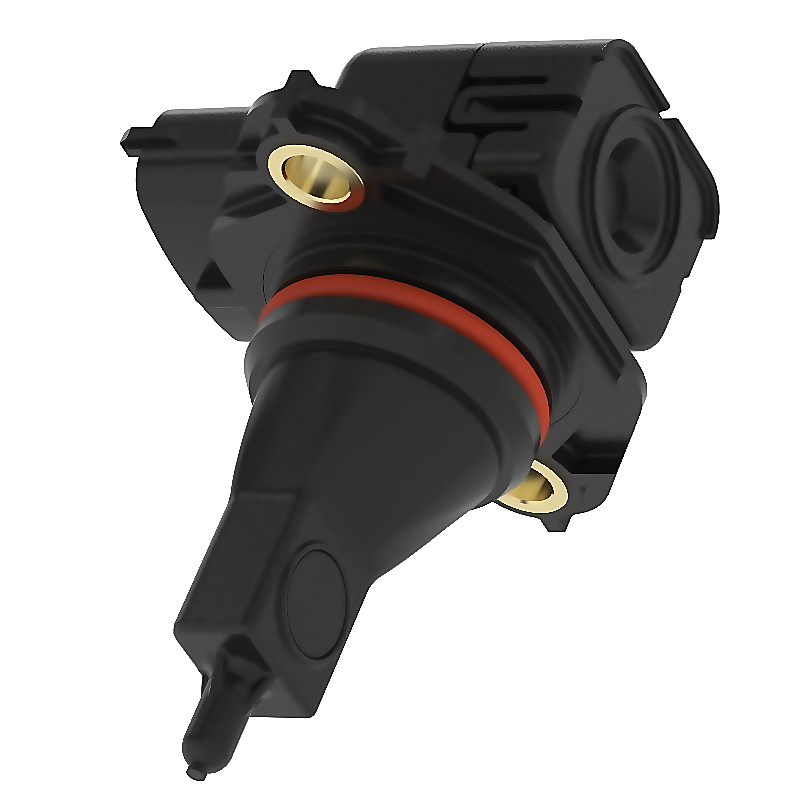
Engineers use pressure sensors in safety-critical environments because pressure changes can reveal hazardous conditions before they become visible or cause equipment failure. Pressure sensors turn a physical condition into a signal that operators and control systems can act on, supporting alarms, shutdowns, and safer operating decisions.
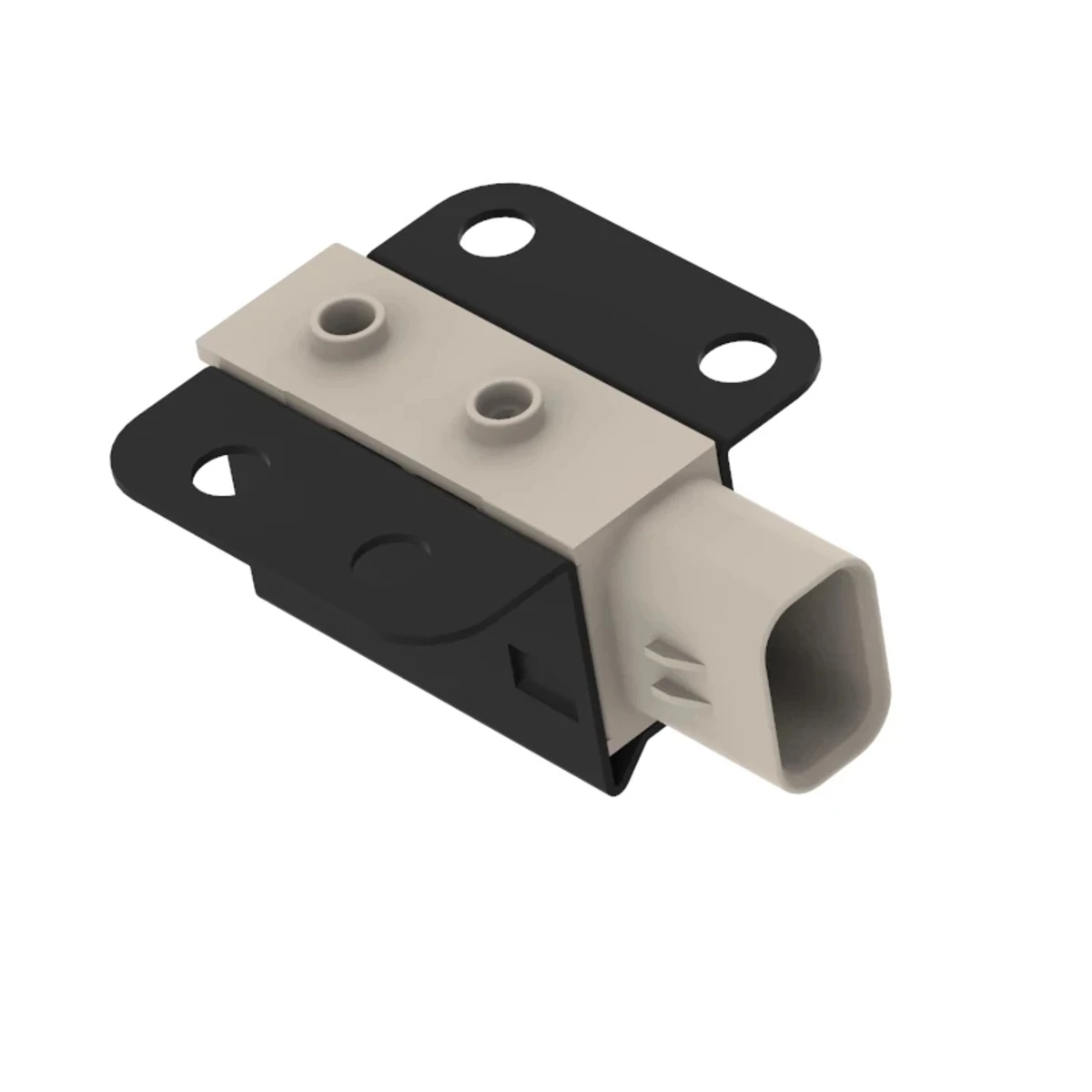
Their value depends on more than measurement alone. Engineers select pressure sensors around the specific hazard, operating range, response needs, installation conditions, and consequences of a bad reading. Understanding these reasons helps teams design a dependable safety function rather than treating a sensor as an isolated component.
In a safety-critical process, pressure can change quickly when a line becomes blocked, a pump fails, a valve sticks, or a vessel develops an abnormal load. Pressure sensors provide a continuous indication of these changes, allowing a controller to compare actual conditions with defined operating limits. A pressure sensors signal can prompt an alarm or protective response before the condition escalates.
This early warning is useful in hydraulic machinery, fuel systems, boilers, process equipment, and engine applications. Engineers map each pressure sensors reading to a credible failure scenario, then decide what response is appropriate. Depending on risk, the response may be a warning for an operator, a controlled slowdown, isolation of a flow path, or an automatic shutdown.
A sensor only improves safety when its signal leads to a suitable action. Engineers define thresholds, delays, and response logic so pressure sensors can distinguish a genuine hazard from a short-lived fluctuation. Setting limits too loosely can delay intervention, while overly sensitive pressure sensors may create nuisance alarms that distract personnel and encourage workarounds.
The design must also account for what happens after detection. Pressure sensors may feed a local indicator, a programmable controller, or a dedicated protection circuit, depending on the application. Engineers document the intended action, verify that the signal reaches the right destination, and consider whether the system should move equipment to a safe state if the measurement becomes unavailable.
Selection begins with the pressure expected during normal operation, startup, shutdown, and credible fault conditions. Pressure sensors need a suitable measurement range and accuracy for the decision being made; a device that cannot resolve a meaningful change may fail to provide useful warning. Engineers also check pressure type, such as absolute, gauge, or differential, against the system requirement.
Temperature, vibration, moisture, contaminants, and pressure pulses can affect performance in industrial settings. Engineers assess the installation environment and choose pressure sensors with appropriate materials, connections, and protection for those conditions. The pressure sensors used in heavy-duty equipment, for example, must be considered in the context of the measured system and its operating environment.
A pressure sensors output can be wrong, unstable, or absent because of wiring damage, a blocked pressure port, drift, electrical interference, or internal failure. Safety design therefore considers how faults will be detected and what the control system should do when a value is implausible. Pressure sensors may be checked against other process signals or monitored for out-of-range output, depending on the risk analysis.
Signal integrity also depends on the full measurement path, not only the sensing element. Engineers review cable routing, connectors, grounding, input configuration, and controller behavior. Pressure sensors should be installed so that maintenance staff can inspect connections and identify damage without disturbing critical equipment. Clear fault indications help teams respond to a sensor problem instead of mistaking it for a process condition.
Commissioning should confirm that pressure sensors measure the intended point and that the displayed value agrees with an appropriate reference. Engineers test alarm thresholds and protective actions under controlled conditions, then verify the path from the pressure sensors through wiring and logic to the final response. This end-to-end check can expose configuration or installation errors that a component inspection alone would miss.
Verification records should describe the test method, acceptance criteria, observed results, and any corrective work. Pressure sensors used in protective functions need a maintenance plan that reflects the consequences of failure and the conditions in service. The plan may include inspection, functional testing, calibration checks, and replacement criteria, with intervals set by the organization’s risk process and operating experience.
Operators need to understand what a pressure sensors alarm means, which actions are permitted, and when escalation is required. Alarm labels and procedures should identify the measured zone and likely response rather than presenting an unexplained number. Pressure sensors are more useful when people can distinguish a real process deviation from a device fault or a transient event.
Maintenance teams also need access to installation details, test results, and change history. A replaced pressure sensors unit may require configuration checks before the process returns to service. Teams should review recurring alarms, drift, damage, and near misses for patterns that point to a design or maintenance issue. These practices keep the safety case connected to actual equipment behavior rather than relying on assumptions made during initial design.
Pressure sensors can detect conditions associated with leaks, blockages, overload, or loss of supply. Their safety contribution comes from connecting reliable measurement to a defined response. Engineers must assess the hazard and verify that the pressure sensors signal can trigger an effective action within the required time.
Not automatically. Whether one pressure sensors measurement is sufficient depends on the hazard analysis, failure modes, and required safety design. Some applications need independent measurements, additional process indicators, or diagnostic checks. Engineers determine the appropriate arrangement and verify that a single fault cannot undermine the intended protection.
There is no universal interval for every installation. Check frequency depends on the process risk, manufacturer guidance, environmental stress, operating history, and applicable procedures. Teams should define inspection and testing requirements for pressure sensors, document results, and revise the plan when evidence shows that reliability or process conditions have changed.
The electronic components market is constantly evolving. From global supply chain updates to the latest semiconductor technology trends, our blog provides the professional perspective you need to stay informed and competitive.
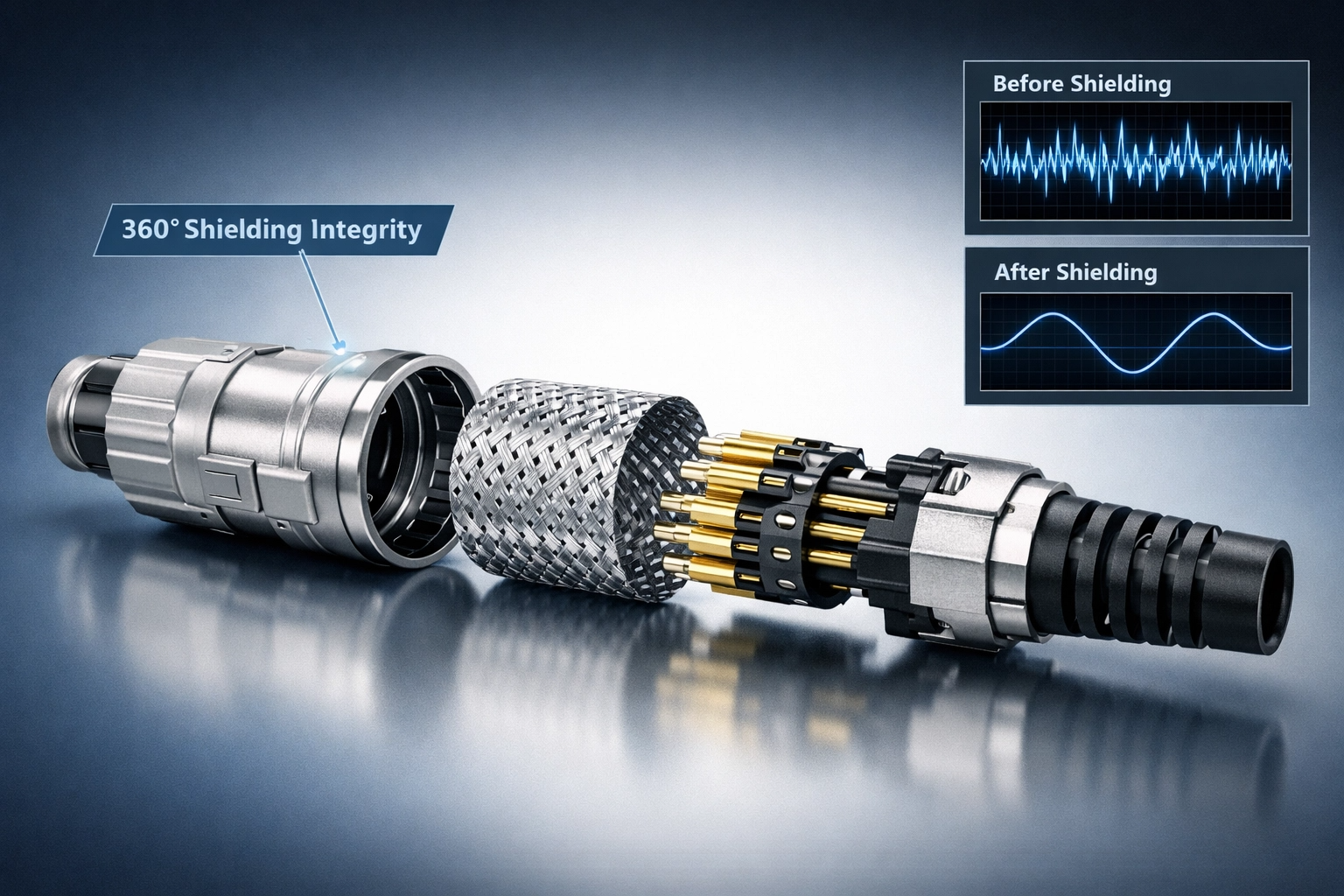
Overcoming EMI in High-Speed Automation
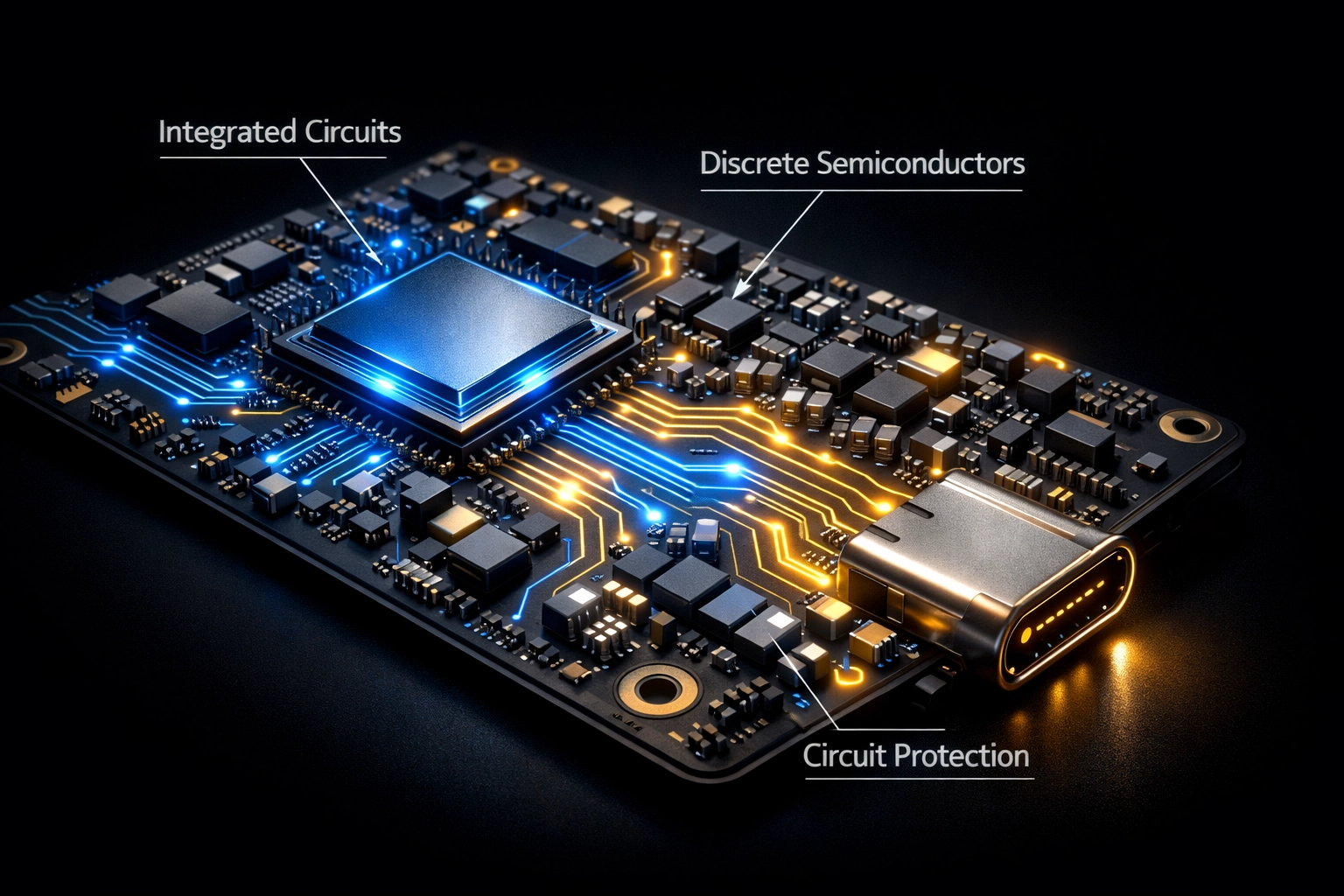
A Comprehensive Layout and Component Selection Guide
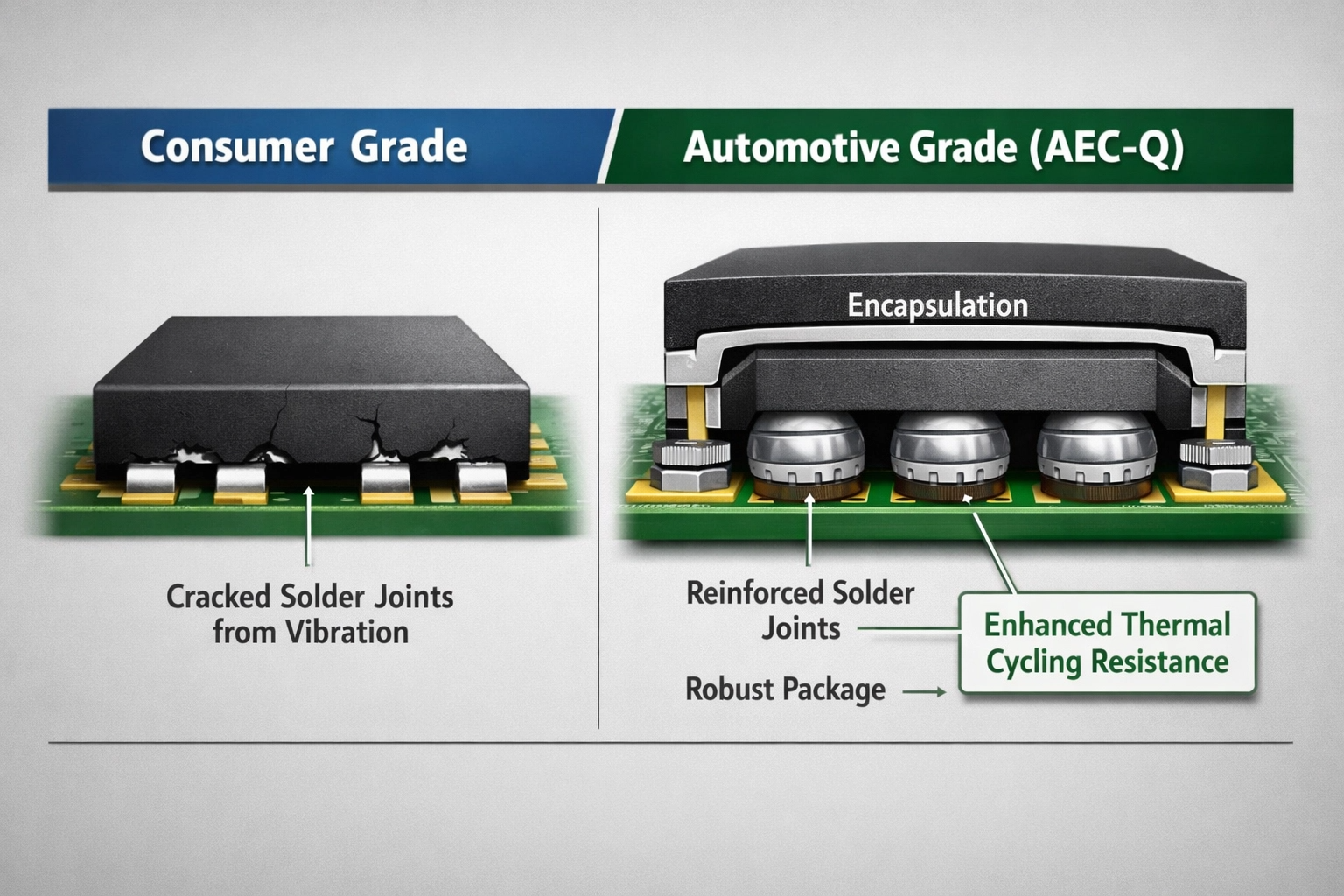
A Deep Dive into AEC-Q Standards and IATF 16949 Compliance







"Finding reliable high-voltage contactors for our EV platform was a major bottleneck until we partnered with this team. Their stock of 800V components is impressive and, more importantly, fully traceable. The packaging was professional, ensuring no static damage during transit. Truly a lifesaver for our production line."
"We were desperately searching for specific power management chips that were on a long backorder elsewhere. They managed to ship original factory parts within 48 hours, which kept our automation project on schedule. Communication was transparent and the technical data sheets provided were accurate. Highly recommend for urgent sourcing needs."
"The quality of the magnetic hydraulic circuit breakers we received exceeded our expectations for the price point. It’s clear they have a rigorous quality inspection process in place before shipping. We've integrated their parts into our latest battery storage units with zero failure rates so far. A very dependable partner for long-term supply."
"In this industry, trust is everything, especially when dealing with high-voltage fuses and relays. This company consistently provides genuine products that meet our strict safety certifications for the EU market. Their team is knowledgeable and helped us navigate the technical nuances of the components. Their export logistics to Spain are seamless."
"Managing End-of-Life (EOL) components is a constant struggle, but their database for legacy ICs is a goldmine. I was able to secure a batch of LCD driver ICs that our previous suppliers claimed were impossible to find. Every chip was tested and worked perfectly in our HMI repair prototypes. They are now my go-to for hard-to-find semiconductors."
"I appreciate how they handle smaller, specialized orders with the same urgency as bulk shipments. We needed specific pressure sensors for a fleet of diesel engines, and they arrived in the UK perfectly labeled and documented. Their attention to detail on the commercial invoice made customs clearance a breeze. Great service and even better product quality."
