 EN

what-features-define-reliable-pressure-sensors-for-industrial-equipment, what-features-define-reliable-pressure-sensors-for-industrial-equipment, /news
EN
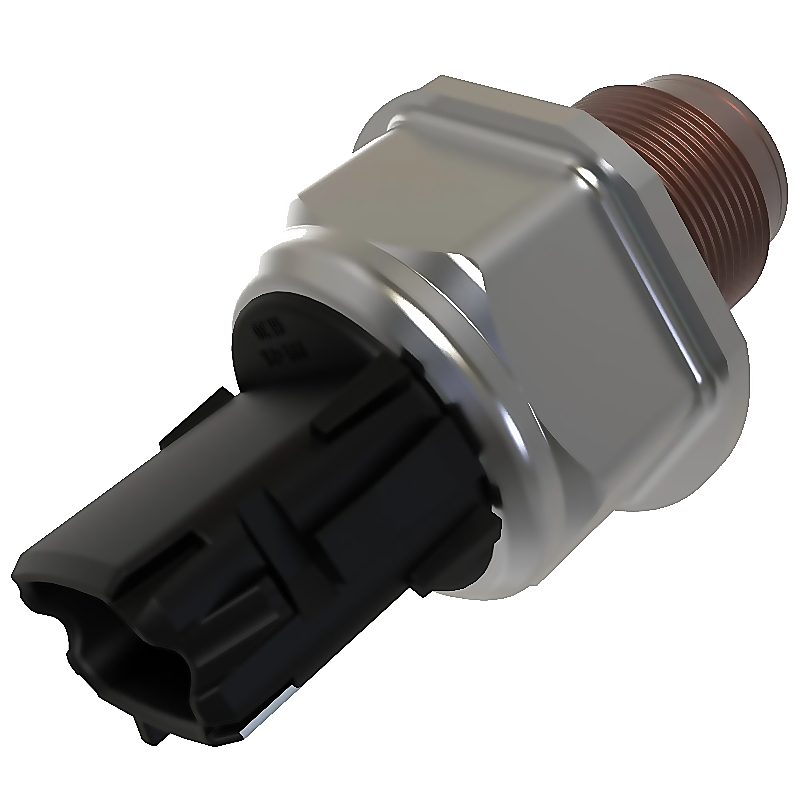
Reliable pressure sensors for industrial equipment must do more than produce a reading during a bench test. They need to measure the intended pressure consistently, tolerate the operating environment, and communicate useful signals to the machine control system. When assessing pressure sensors, engineers should consider accuracy, stability, construction, installation, and diagnostics together, because weakness in any one area can undermine dependable operation.
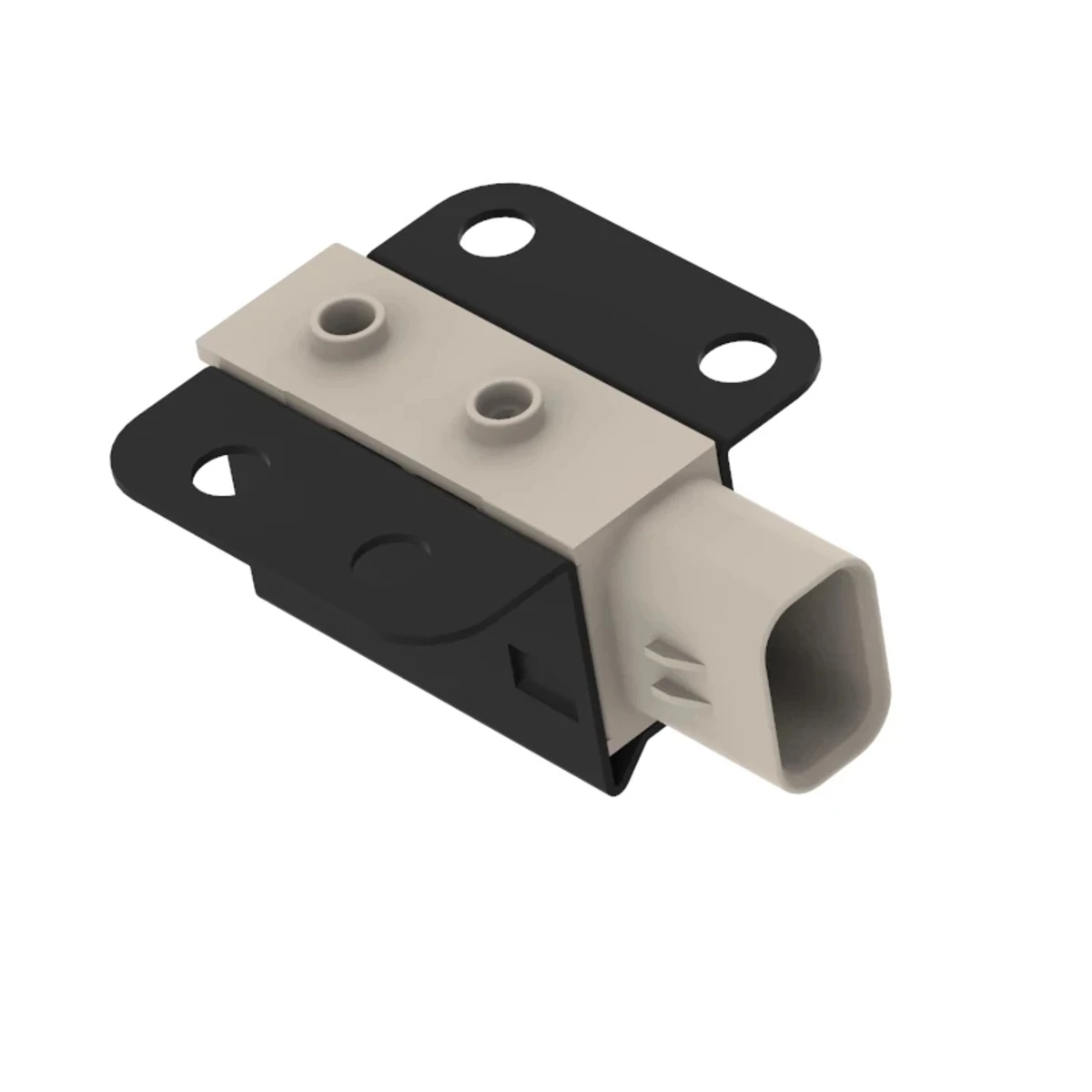
The right criteria depend on what the equipment measures and what decisions follow from that measurement. Pressure sensors used to monitor a hydraulic circuit, filter, engine, or process line may face different pressure ranges and environmental stresses. The defining features are therefore not a single specification or material, but a set of properties matched to the application, the installation, and the required control response.
Start by defining the normal operating pressure, expected peaks, and any vacuum or differential conditions. Pressure sensors should have a measurement range that covers these conditions without sacrificing useful resolution during normal operation. A range chosen only to accommodate the maximum possible spike can make routine changes harder to distinguish, while an undersized range may expose pressure sensors to overload or shorten their useful service life.
Accuracy specifications also need context. Check whether the stated value includes linearity, hysteresis, and repeatability, and confirm the temperatures at which it applies. Pressure sensors intended for equipment monitoring should deliver accuracy that supports the actual alarm, control, or maintenance decision, rather than simply presenting an impressive figure on a specification sheet. Consider the full measurement chain, including wiring and controller input.
A reliable reading should remain consistent when the same pressure is applied repeatedly under comparable conditions. Repeatability helps operators distinguish a real process change from normal sensor variation, while long-term stability limits drift between calibration or inspection intervals. For pressure sensors, these qualities matter particularly when trends guide maintenance, since gradual drift can resemble equipment wear or hide an emerging fault.
Resolution should be considered alongside accuracy and range. A signal that changes too little for the controller to detect can make pressure sensors ineffective for fine adjustments, even if the nominal accuracy appears suitable. Verify the required measurement increments against the control system’s input resolution and the expected pressure variation. This keeps the selected measurement useful without confusing digital detail with genuine measurement capability.
Industrial equipment exposes pressure sensors to more than pressure. Temperature cycling, moisture, dust, vibration, and contact with process media can all affect performance or damage the sensing element and electrical connections. Identify the actual exposure conditions before choosing pressure sensors, then review the housing, sealing, connector, and wetted materials against those conditions instead of assuming that a general industrial label guarantees suitability.
Compatibility with the measured medium deserves particular attention. Corrosive fluids, contaminated oil, or gas with condensate may require different wetted materials and sealing arrangements. Pressure sensors should also be rated for the expected temperature range and mechanical shock. A mismatch can lead to leakage, unstable readings, or premature failure; application-specific material review helps prevent those risks and supports a more predictable maintenance plan.
Connection type, port dimensions, mounting space, and cable routing determine whether pressure sensors can be installed without adapters or stressed wiring. Confirm the process connection and available clearance on the actual equipment, including access needed for servicing. Pressure sensors mounted near pumps, engines, or moving structures may require attention to vibration and strain relief, since mechanical loading can affect connections even when the sensing range is correct.
Installation details also influence the quality of the measurement. Consider whether the sensor orientation, impulse line, or port location could trap air, collect debris, or expose pressure sensors to pressure pulses beyond normal operation. Follow equipment and sensor instructions for mounting and tightening. A sound installation reduces avoidable measurement noise and makes pressure sensors easier to inspect, replace, and calibrate consistently.
Before selecting pressure sensors, confirm that their output type, supply requirements, connector, and wiring arrangement match the controller or data acquisition system. An incompatible signal can require extra conversion hardware or complicate fault finding. Pressure sensors should provide a usable signal across the operating range, and the receiving system should be configured to interpret that signal with the correct scaling, units, and alarm thresholds.
Think through failure behavior as well as normal readings. Some pressure sensors provide diagnostic or fault indications that help distinguish an electrical problem from a genuine process condition. The machine design should define what happens when a reading is out of range, missing, or implausible. Clear handling prevents an uncertain signal from being treated as a valid pressure value and supports safer troubleshooting by maintenance personnel.
A specification review should be followed by practical verification. Compare pressure sensors against the required range, accuracy, temperature, media compatibility, and environmental conditions, then confirm interfaces and mounting on the equipment. Where possible, test the measurement chain under representative operating conditions. This checks whether the sensor, wiring, controller, and configured scaling work together as intended.
Plan calibration and inspection according to process criticality, operating conditions, and applicable procedures. Pressure sensors exposed to severe vibration, contamination, or frequent thermal cycling may warrant closer observation than sensors in stable service. Record baseline readings and investigate unexplained drift or repeated faults. A consistent maintenance approach helps teams judge whether pressure sensors remain suitable or whether the application conditions have changed.
Define the operating and peak pressure conditions first, then check that pressure sensors cover the required range with useful resolution. Next, assess accuracy in relation to the control or monitoring decision. This order helps avoid choosing pressure sensors based on a single headline value while overlooking overload conditions or the performance needed during normal operation.
Yes, the sensor should suit its real exposure to moisture, dust, temperature, vibration, and process media. Pressure sensors installed in a protected cabinet face different conditions from those mounted near an engine or exposed process line. Check relevant enclosure and material details, then verify that seals and connectors suit the intended installation.
Check readings against a suitable reference or known operating condition, and confirm the controller interprets the output correctly. Then monitor stability during representative use and document any drift or fault events. Pressure sensors are more dependable when installation, calibration, and maintenance are reviewed as one system rather than as isolated product specifications.
The electronic components market is constantly evolving. From global supply chain updates to the latest semiconductor technology trends, our blog provides the professional perspective you need to stay informed and competitive.
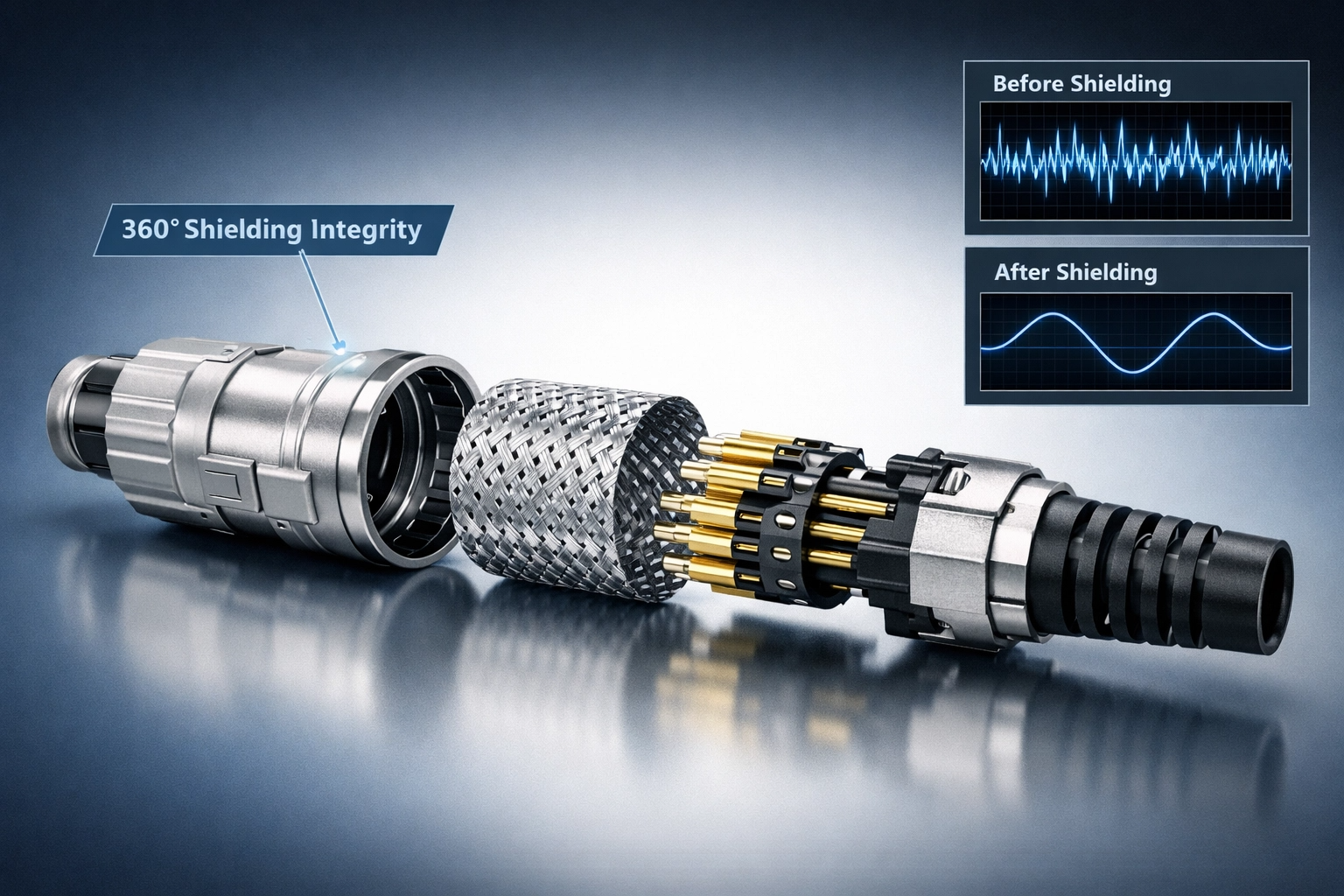
Overcoming EMI in High-Speed Automation
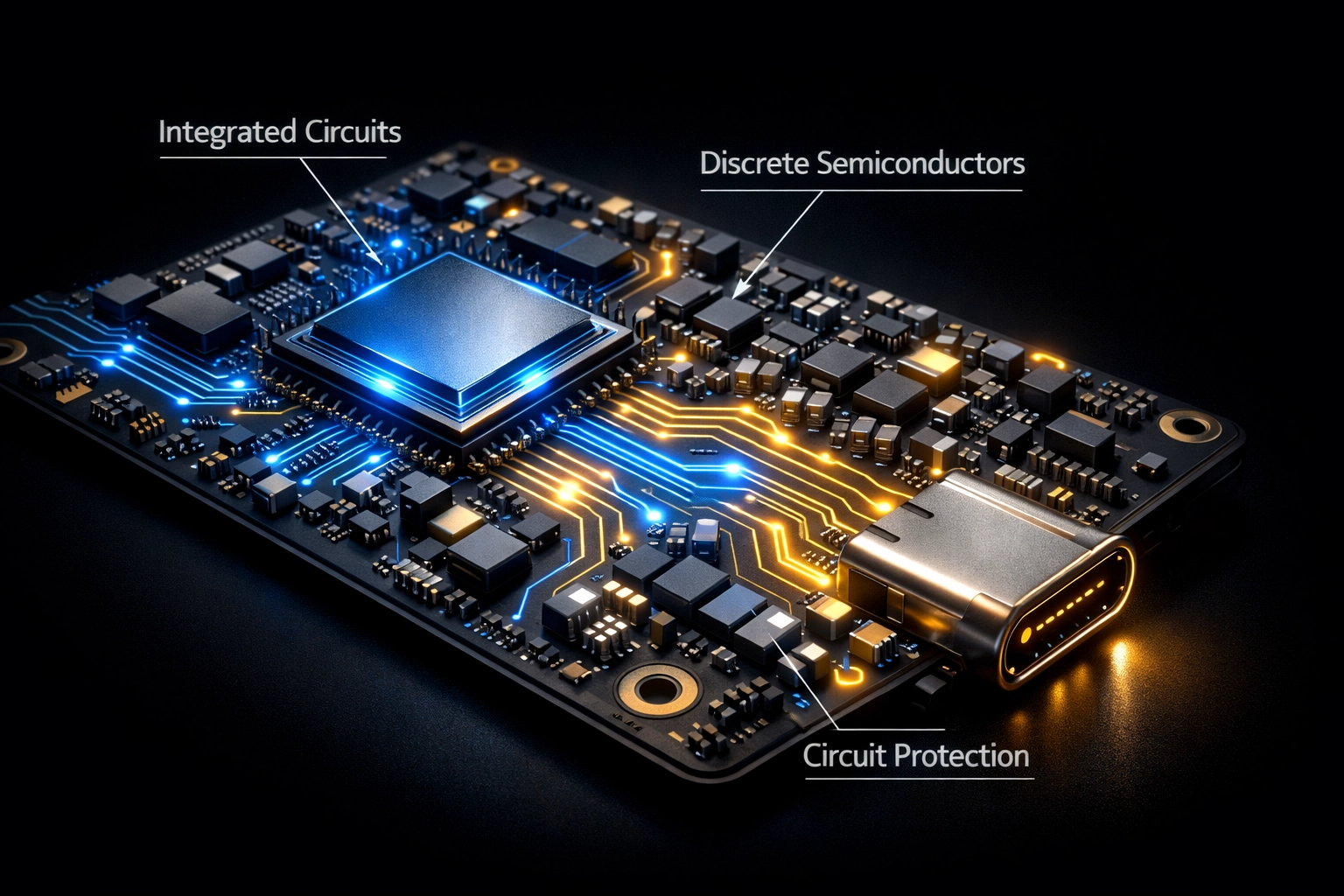
A Comprehensive Layout and Component Selection Guide
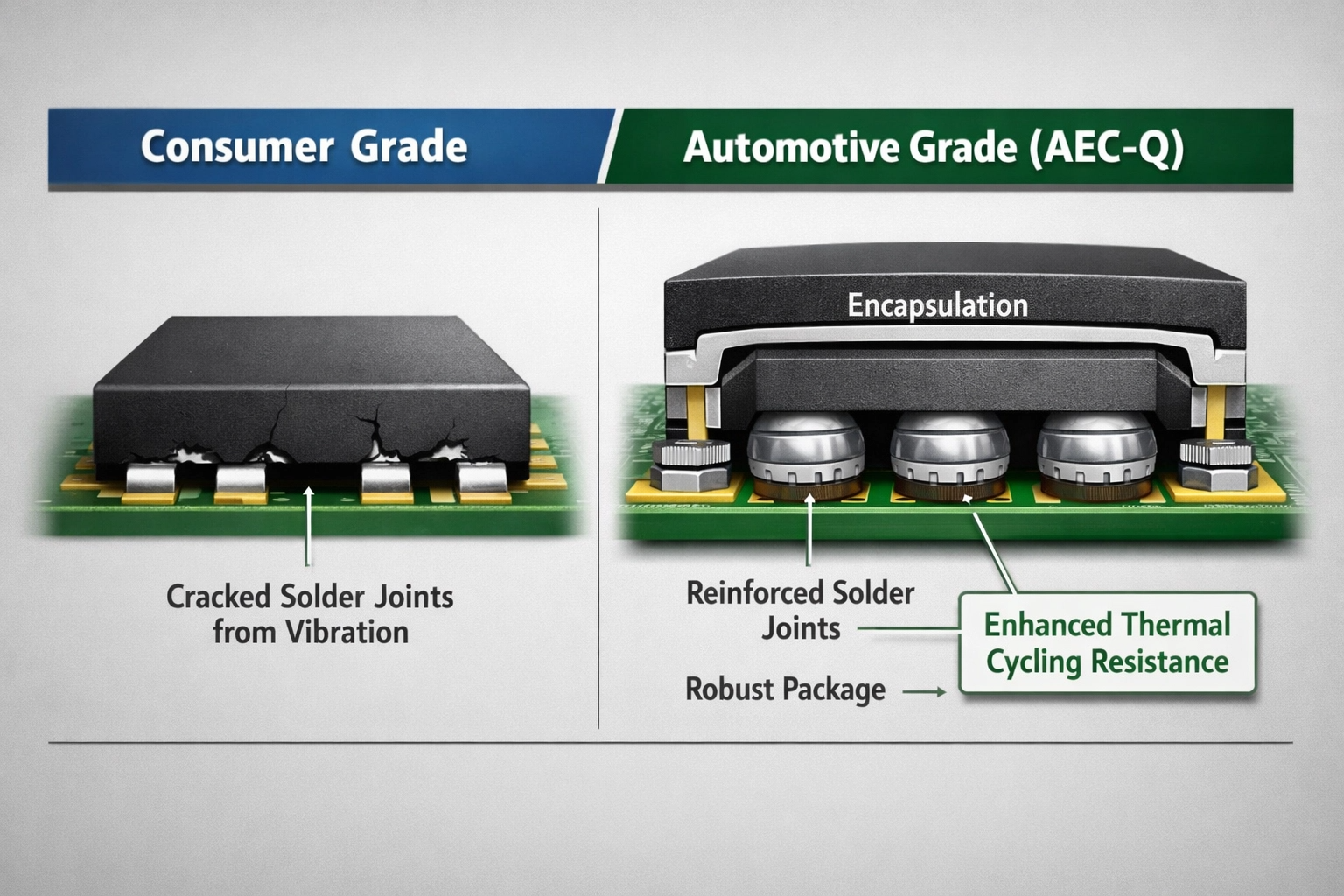
A Deep Dive into AEC-Q Standards and IATF 16949 Compliance






"Finding reliable high-voltage contactors for our EV platform was a major bottleneck until we partnered with this team. Their stock of 800V components is impressive and, more importantly, fully traceable. The packaging was professional, ensuring no static damage during transit. Truly a lifesaver for our production line."
"We were desperately searching for specific power management chips that were on a long backorder elsewhere. They managed to ship original factory parts within 48 hours, which kept our automation project on schedule. Communication was transparent and the technical data sheets provided were accurate. Highly recommend for urgent sourcing needs."
"The quality of the magnetic hydraulic circuit breakers we received exceeded our expectations for the price point. It’s clear they have a rigorous quality inspection process in place before shipping. We've integrated their parts into our latest battery storage units with zero failure rates so far. A very dependable partner for long-term supply."
"In this industry, trust is everything, especially when dealing with high-voltage fuses and relays. This company consistently provides genuine products that meet our strict safety certifications for the EU market. Their team is knowledgeable and helped us navigate the technical nuances of the components. Their export logistics to Spain are seamless."
"Managing End-of-Life (EOL) components is a constant struggle, but their database for legacy ICs is a goldmine. I was able to secure a batch of LCD driver ICs that our previous suppliers claimed were impossible to find. Every chip was tested and worked perfectly in our HMI repair prototypes. They are now my go-to for hard-to-find semiconductors."
"I appreciate how they handle smaller, specialized orders with the same urgency as bulk shipments. We needed specific pressure sensors for a fleet of diesel engines, and they arrived in the UK perfectly labeled and documented. Their attention to detail on the commercial invoice made customs clearance a breeze. Great service and even better product quality."
