 EN

why-is-nand-flash-widely-used-in-modern-data-storage-technologies, why-is-nand-flash-widely-used-in-modern-data-storage-technologies, /news
EN
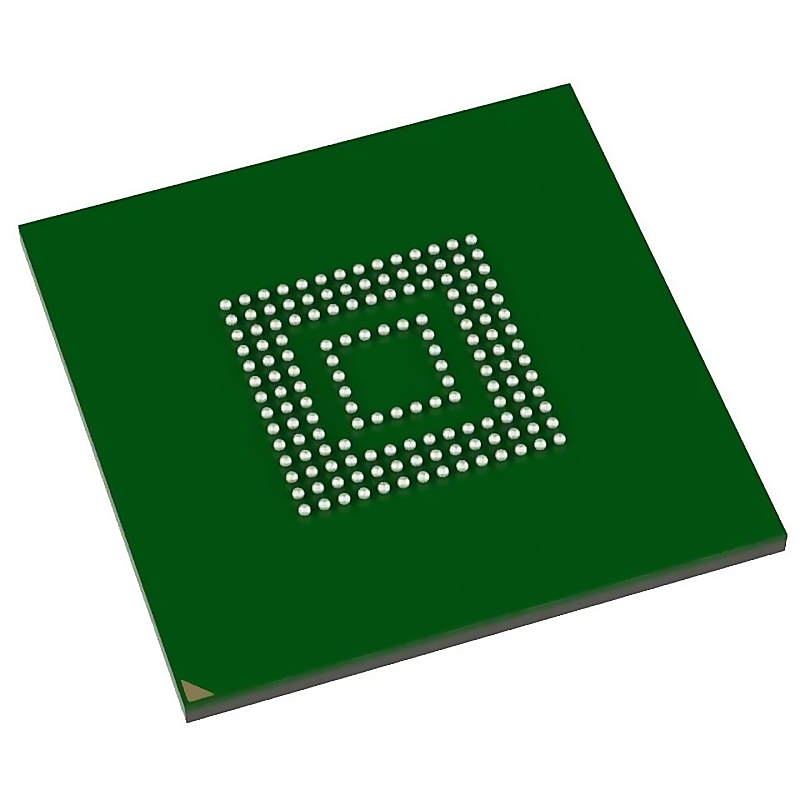
If you look at where storage lives today, including phones, laptops, data centers, medical devices, and industrial controllers, it's almost all based on NAND flash. The question of why NAND flash dominates modern storage comes down to a combination of speed, reliability, cost, and compactness that mechanical hard drives simply can't match. Below, we break down the practical reasons NAND flash became the default.
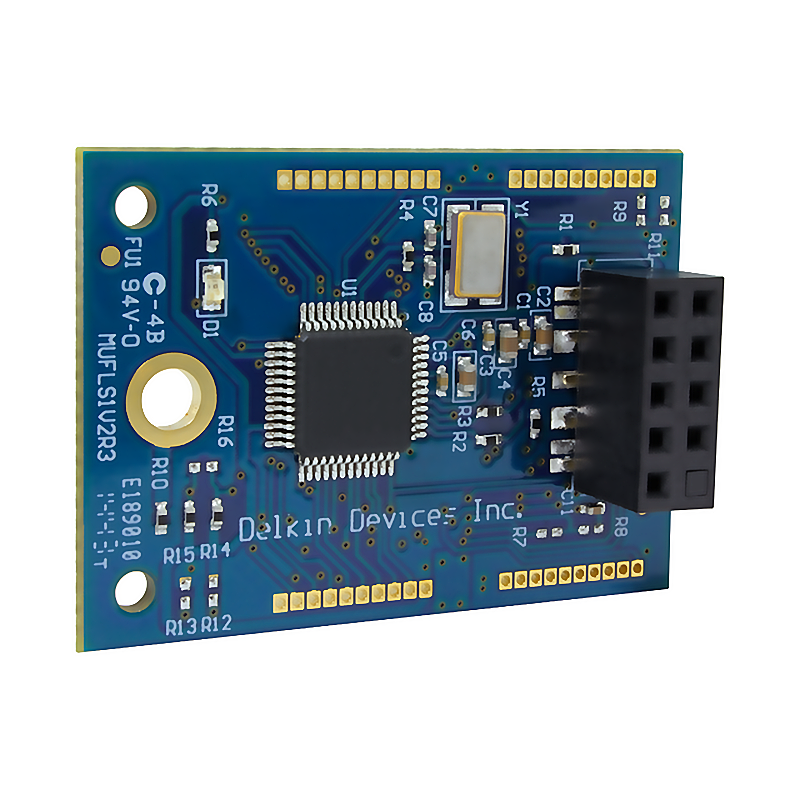
Traditional hard disk drives (HDDs) store data on spinning platters and read it with a moving actuator arm. Accessing data requires waiting for the right sector to rotate under the head, a latency measured in milliseconds. NAND flash reads and writes data electronically, with no mechanical movement. Access times are measured in microseconds, far faster than a typical HDD.
This speed difference matters most for random access: opening apps, loading files, querying databases, multitasking. Sequential reads are fast on both, but real-world workloads are mostly random. The consistent random performance of NAND flash is why systems using it feel responsive, while HDD-based systems feel sluggish under load.
HDDs fail in predictable ways: bearings wear out, heads crash, platters develop bad sectors, and shock or vibration can cause immediate damage. NAND flash has none of these failure modes. There's nothing to spin, nothing to move, nothing to mechanically wear out.
This makes NAND flash well suited for environments where shock, vibration, or temperature extremes are common, such as industrial equipment, automotive systems, rugged laptops, and outdoor deployments. A device built on NAND flash can be dropped, shaken, or exposed to wide temperature swings without risking data loss from mechanical failure. That reliability translates to lower warranty rates and fewer service calls, a major factor in enterprise and industrial adoption.
When NAND flash first appeared, it was expensive and only used in niche applications where speed or compactness justified the cost. But manufacturing scale and process improvements have driven per-gigabyte prices down steadily. Modern multi-level cell designs (MLC, TLC, QLC) pack more bits into each cell, increasing density and reducing cost per unit of storage.
This cost trajectory is what took NAND flash from premium enterprise storage to consumer phones, laptops, and budget devices. Depending on the capacity and cell type, NAND flash storage now competes directly with HDDs on price for many use cases, while delivering far better performance.
NAND flash dies are tiny. A single NAND flash package can hold hundreds of gigabytes, or even terabytes, in a space smaller than a postage stamp. This density is why smartphones can carry 1TB or more of storage, why ultra-thin laptops don't need a 2.5-inch drive bay, and why medical and industrial devices can embed large amounts of storage without becoming bulky.
In data centers, this density matters too. NAND flash storage arrays consolidate petabytes of capacity into much less rack space and power than equivalent HDD arrays. For facilities constrained by physical space or power budgets, the compactness of NAND flash is a direct operational advantage.
HDDs spin constantly, drawing power even when idle. NAND flash draws almost no power when not actively reading or writing, and uses much less energy per gigabyte stored. In battery-powered devices such as phones, laptops, and wearables, this efficiency directly extends battery life. In data centers, lower power consumption reduces both electricity and cooling costs.
For portable and embedded applications, this efficiency is often the deciding factor. A device that uses NAND flash instead of an HDD can run longer on a smaller battery, or run on energy-harvesting power sources that wouldn't support a mechanical drive.
Early NAND flash had known limitations, including finite write cycles, bit errors, and degradation over time. But modern controller firmware addresses these through wear leveling, error correction (ECC), bad block management, and over-provisioning. Today, NAND flash maintains data integrity across years of use, even in demanding enterprise and industrial settings.
These controller improvements have closed the reliability gap that once made flash unsuitable for critical storage. Combined with the speed, cost, and compactness advantages, it's no surprise that NAND flash became the default storage technology across most of the industry.
The performance and reliability advantages described above depend on the NAND flash chip actually being the genuine part. Counterfeit or reclaimed flash, such as relabeled lower-grade dies, reused cells with worn-out endurance, or fake capacity markings, won't perform to published specs. In high-capacity systems where many dies are packed into one array, a single bad chip can cause data integrity issues that are hard to trace back to the source.
When sourcing NAND flash and related memory components for production or industrial applications, work with distributors that provide full traceability, incoming inspection, and clear classification of factory-sealed versus pulled inventory. Verified supply chain partners help ensure every chip meets original manufacturer specifications, so the speed, endurance, and reliability you expect from NAND flash hold up in the final product.
The main advantages of NAND flash are faster access times (microseconds versus milliseconds), no mechanical parts to wear out or break, better random performance, lower power consumption, and smaller form factors. Hard drives still compete on raw cost per terabyte for bulk storage, but for most performance-sensitive or portable applications, NAND flash is the practical choice.
Modern NAND flash devices use ECC (error correction code) to detect and fix bit errors, wear leveling to distribute writes evenly across cells, and bad block management to retire failing areas. Enterprise and industrial-grade NAND flash adds monitoring and over-provisioning to extend lifespan. These controller-level features keep data accurate over years of operation.
Two main factors: manufacturing scale, with global fabs producing massive volumes, and multi-level cell technology (MLC, TLC, QLC) that packs more bits into each cell, reducing cost per gigabyte. As process technology improves and density increases, the per-gigabyte price of NAND flash continues to fall, making flash storage accessible across consumer, industrial, and enterprise markets.
The electronic components market is constantly evolving. From global supply chain updates to the latest semiconductor technology trends, our blog provides the professional perspective you need to stay informed and competitive.
Overcoming EMI in High-Speed Automation
A Comprehensive Layout and Component Selection Guide
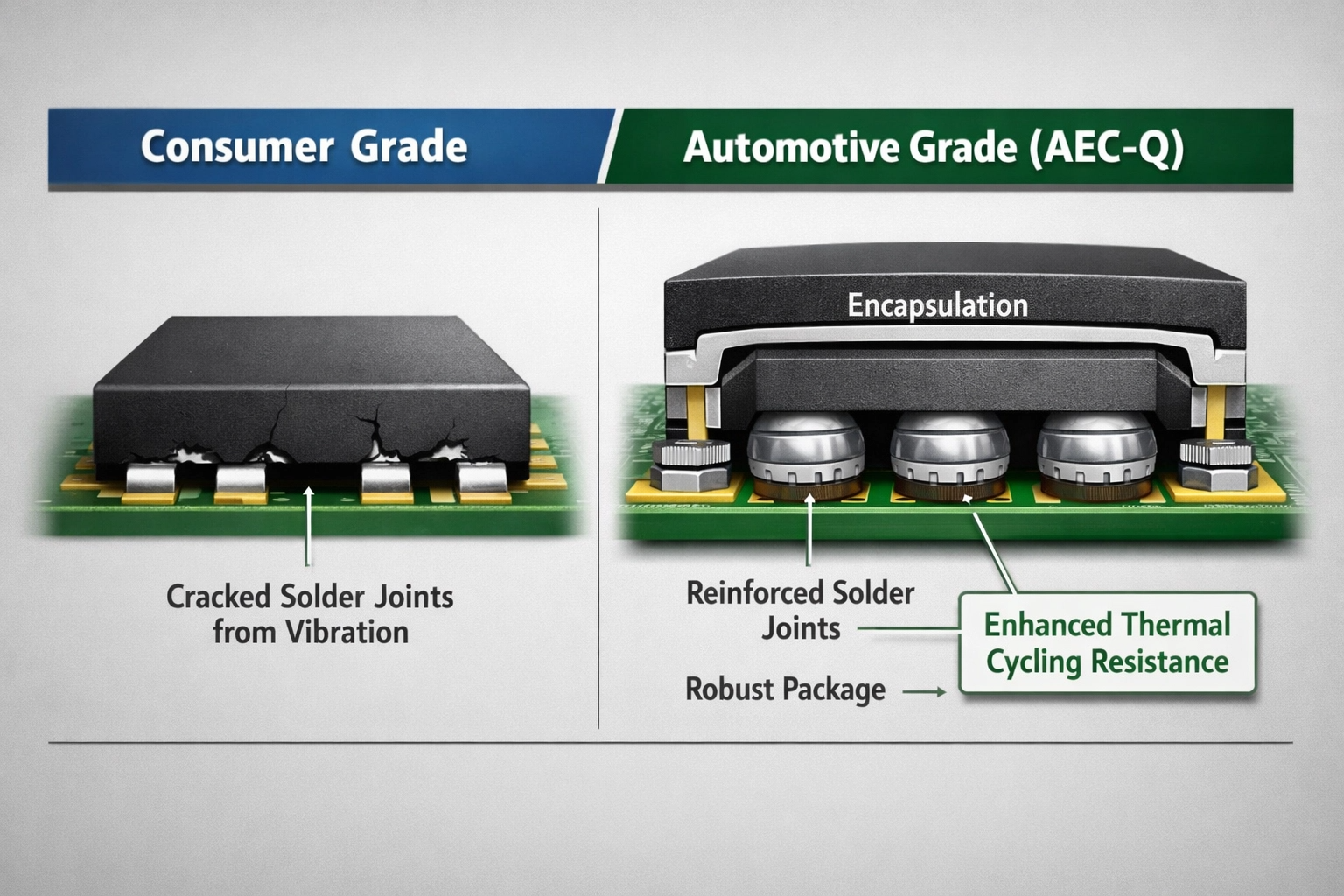
A Deep Dive into AEC-Q Standards and IATF 16949 Compliance






"Finding reliable high-voltage contactors for our EV platform was a major bottleneck until we partnered with this team. Their stock of 800V components is impressive and, more importantly, fully traceable. The packaging was professional, ensuring no static damage during transit. Truly a lifesaver for our production line."
"We were desperately searching for specific power management chips that were on a long backorder elsewhere. They managed to ship original factory parts within 48 hours, which kept our automation project on schedule. Communication was transparent and the technical data sheets provided were accurate. Highly recommend for urgent sourcing needs."
"The quality of the magnetic hydraulic circuit breakers we received exceeded our expectations for the price point. It’s clear they have a rigorous quality inspection process in place before shipping. We've integrated their parts into our latest battery storage units with zero failure rates so far. A very dependable partner for long-term supply."
"In this industry, trust is everything, especially when dealing with high-voltage fuses and relays. This company consistently provides genuine products that meet our strict safety certifications for the EU market. Their team is knowledgeable and helped us navigate the technical nuances of the components. Their export logistics to Spain are seamless."
"Managing End-of-Life (EOL) components is a constant struggle, but their database for legacy ICs is a goldmine. I was able to secure a batch of LCD driver ICs that our previous suppliers claimed were impossible to find. Every chip was tested and worked perfectly in our HMI repair prototypes. They are now my go-to for hard-to-find semiconductors."
"I appreciate how they handle smaller, specialized orders with the same urgency as bulk shipments. We needed specific pressure sensors for a fleet of diesel engines, and they arrived in the UK perfectly labeled and documented. Their attention to detail on the commercial invoice made customs clearance a breeze. Great service and even better product quality."
