 EN

why-is-a-pmic-widely-adopted-in-consumer-and-automotive-electronics, why-is-a-pmic-widely-adopted-in-consumer-and-automotive-electronics, /news
EN
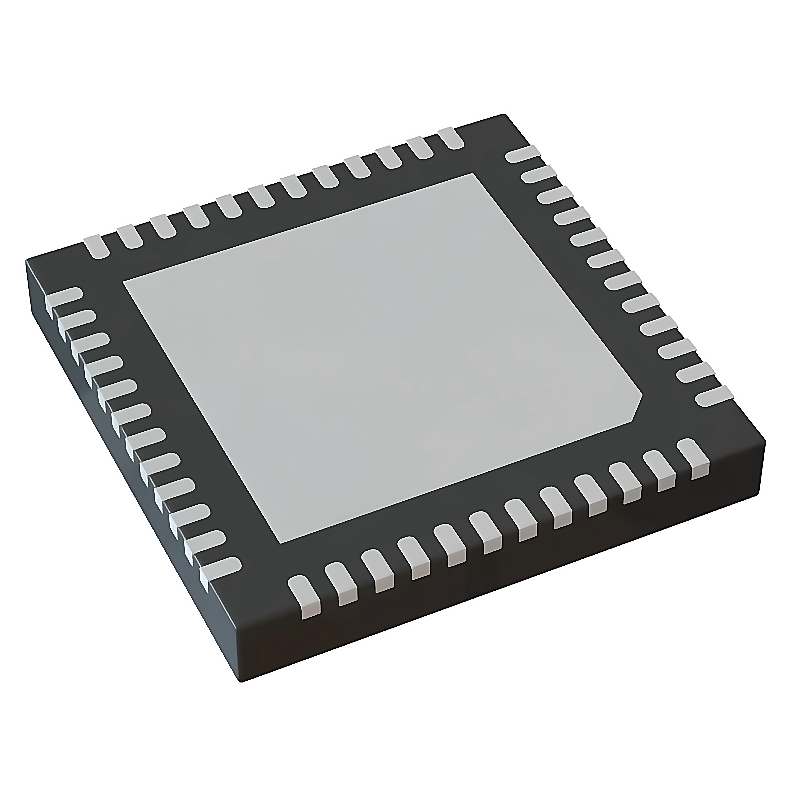
If you've opened a smartphone, a smartwatch, or a modern car dashboard in the last decade, there's a pmic (power management IC) quietly making it work. These chips have become ubiquitous for one simple reason: modern electronics have too many voltage rails for discrete power circuits to handle efficiently. A pmic consolidates regulation, protection, and sequencing into a single device—and that consolidation is why design teams keep choosing it.
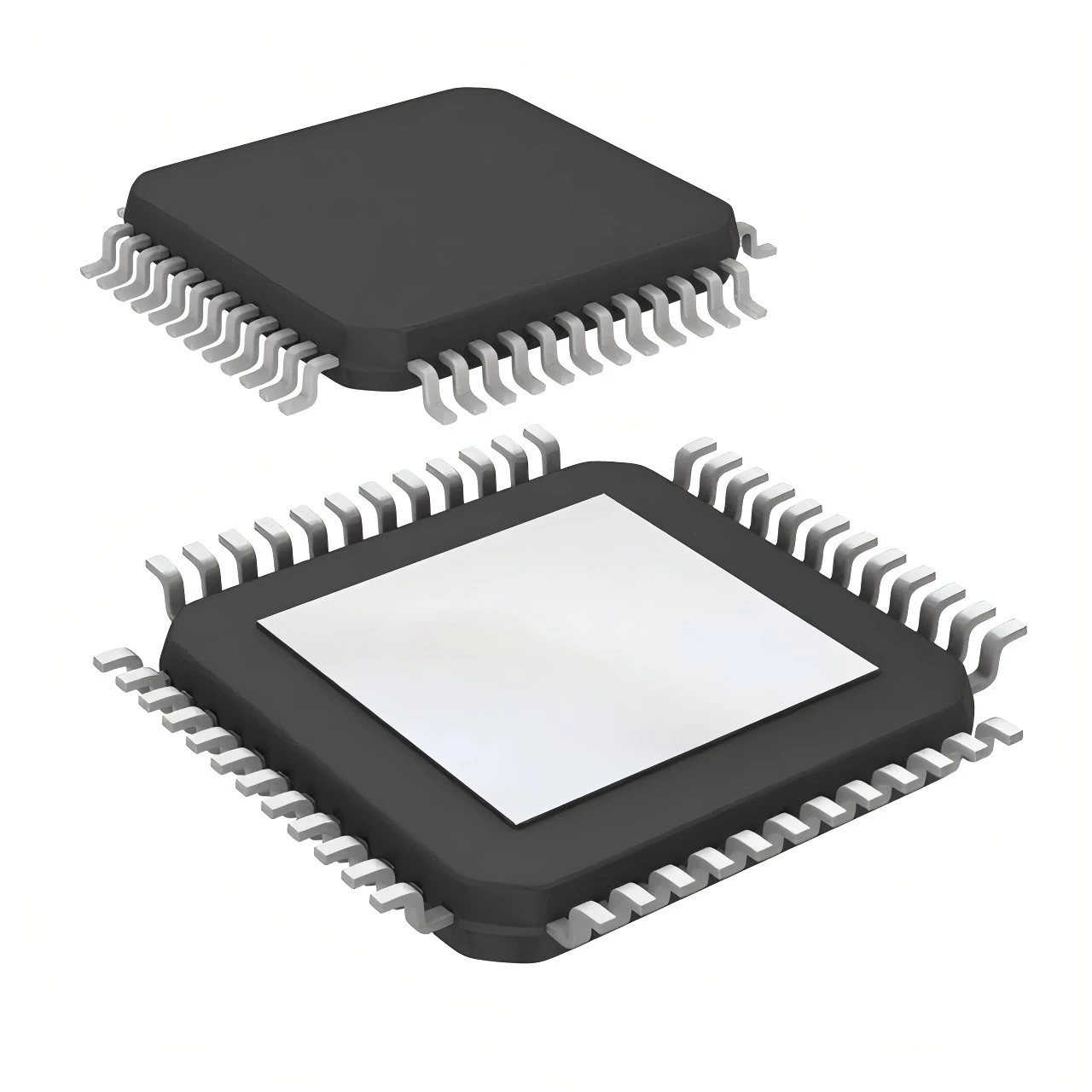
Below, we break down the concrete reasons pmic adoption has exploded in both consumer electronics and automotive systems—from board-level savings to functional safety requirements.
The original reason a pmic took over is the most practical: board space. A modern smartphone or automotive ECU needs 8–12 different voltage rails—core processor, memory, I/O, sensors, radio, display, and more. Without a pmic, each rail needs its own DC-DC converter, LDO, protection FET, and feedback network. That's 30–50 discrete components on the PCB.
A pmic integrates all of this into one package. The result: smaller PCB footprint, fewer solder joints, lower assembly cost, and fewer points of failure. For consumer devices where every millimeter counts, this integration alone justifies choosing a pmic. For automotive ECUs with strict packaging constraints, it's not optional.
A pmic isn't just a space saver—it's an efficiency optimizer. Modern pmic designs use switching topologies with 90%+ efficiency, dynamic voltage scaling, and low-power sleep modes. In a smartphone, even a 1–2% improvement in power efficiency translates to hours of additional battery life. In wearables running on a small coin cell, a pmic optimized for microamp-level quiescent current is the difference between 3-day battery life and 7-day battery life.
This is why a pmic dominates battery-powered IoT devices too. Connected sensors, smart home hubs, and industrial endpoints run on small batteries or energy harvesting—every milliwatt saved extends the service interval. A pmic designed for ultra-low quiescent current lets these devices run for years without a battery change.
Discrete power circuits generate heat at multiple points across the board. A pmic concentrates power management into one location where thermal design is easier—heat sinks, thermal vias, and copper pours can be targeted to a single device rather than distributed across dozens of components.
Advanced pmic designs also include built-in thermal sensing and dynamic current limiting. If the device approaches a thermal limit, the pmic reduces output current or shuts down non-critical rails before damage occurs. This self-protection is far more reliable than trying to coordinate thermal limits across 20 separate discrete components.
A pmic doesn't just regulate voltage—it protects. Modern pmic units integrate overvoltage protection, overcurrent limiting, undervoltage lockout, reverse-current blocking, and thermal shutdown into a single device. If a fault occurs on any rail, the pmic isolates it before downstream ICs are damaged.
This level of integrated protection is hard to replicate with discrete components. Each protection function requires its own comparator, reference, and switching FET. A pmic delivers all of this in a pre-qualified, tested package—so design teams don't have to validate protection circuitry from scratch.
Smartphones were the early adopter. The combination of space constraints, battery life competition, and complex multi-rail architectures made a pmic essential by the early 2010s. Once the pmic architecture proved out, it spread to tablets, laptops, smartwatches, earbuds, and IoT sensors. The trend was driven by consumer demand for thinner devices with longer battery life—exactly what a pmic delivers.
Wearables accelerated the trend further. A smartwatch running on a 300mAh battery can't afford the quiescent current of discrete power circuits. A pmic optimized for nanoamp-level sleep current is the only way to achieve week-long battery life in a wrist-worn form factor.
Automotive systems have always needed power management, but the shift to electric vehicles and ADAS made a pmic essential rather than optional. Modern EVs have 12V, 48V, and high-voltage battery systems all coexisting. A pmic acts as the voltage translation and isolation layer between these domains, ensuring low-voltage control circuits stay protected from high-voltage transients.
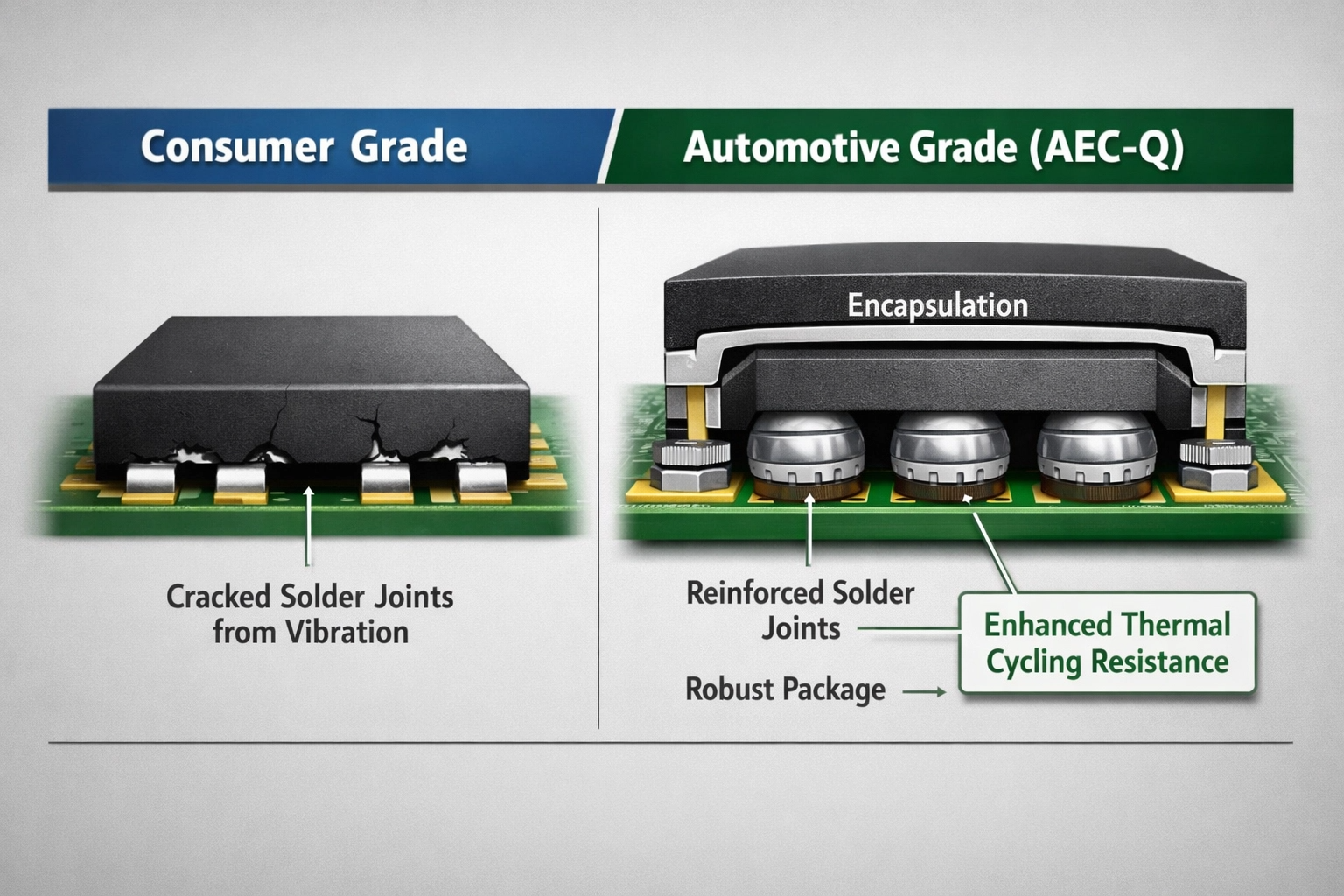
ADAS and autonomous driving systems add another layer of demand. Cameras, radar, lidar, and compute accelerators each need precise, clean power. A pmic designed for automotive use (AEC-Q100 qualified, -40°C to 125°C operating range) delivers the reliability and traceability that functional safety standards (ISO 26262) require. For safety-critical systems, you don't just need a pmic that works—you need one that can prove it works, with full documentation and supply chain traceability.
As pmic demand has grown, so has the market for counterfeit or refurbished units. A fake pmic might look identical on the outside but skip protection features, use inferior silicon, or fail temperature specs. In automotive applications, this isn't just a performance issue—it's a safety issue.
When sourcing pmic components for consumer or automotive designs, work with distributors that provide full traceability, incoming inspection, and clear classification of factory-sealed vs. pulled inventory. Verified supply chain partners ensure every pmic meets original manufacturer specs, not just the appearance of them. This is especially critical for long-life products like automotive systems, where component supply must be stable over a decade or more.
A voltage regulator handles one voltage rail. A pmic integrates multiple regulators, protection circuits, sequencing logic, and monitoring into a single chip. The pmic is a complete power management system on one die—not just a single conversion function.
Technically yes, but it requires more board space, more design effort, and more validation work. For simple single-rail designs, discrete components make sense. For multi-rail systems with efficiency and protection requirements, a pmic is faster to design, smaller, and more reliable.
Look for AEC-Q100 qualification, ISO 26262 functional safety documentation, and a clear operating temperature range (typically -40°C to +125°C for Grade 1). Also verify that the supplier can provide long-term availability guarantees—automotive programs run for 10+ years, and a pmic that goes obsolete mid-program is a major problem.
The electronic components market is constantly evolving. From global supply chain updates to the latest semiconductor technology trends, our blog provides the professional perspective you need to stay informed and competitive.
Overcoming EMI in High-Speed Automation
A Comprehensive Layout and Component Selection Guide
A Deep Dive into AEC-Q Standards and IATF 16949 Compliance







"Finding reliable high-voltage contactors for our EV platform was a major bottleneck until we partnered with this team. Their stock of 800V components is impressive and, more importantly, fully traceable. The packaging was professional, ensuring no static damage during transit. Truly a lifesaver for our production line."
"We were desperately searching for specific power management chips that were on a long backorder elsewhere. They managed to ship original factory parts within 48 hours, which kept our automation project on schedule. Communication was transparent and the technical data sheets provided were accurate. Highly recommend for urgent sourcing needs."
"The quality of the magnetic hydraulic circuit breakers we received exceeded our expectations for the price point. It’s clear they have a rigorous quality inspection process in place before shipping. We've integrated their parts into our latest battery storage units with zero failure rates so far. A very dependable partner for long-term supply."
"In this industry, trust is everything, especially when dealing with high-voltage fuses and relays. This company consistently provides genuine products that meet our strict safety certifications for the EU market. Their team is knowledgeable and helped us navigate the technical nuances of the components. Their export logistics to Spain are seamless."
"Managing End-of-Life (EOL) components is a constant struggle, but their database for legacy ICs is a goldmine. I was able to secure a batch of LCD driver ICs that our previous suppliers claimed were impossible to find. Every chip was tested and worked perfectly in our HMI repair prototypes. They are now my go-to for hard-to-find semiconductors."
"I appreciate how they handle smaller, specialized orders with the same urgency as bulk shipments. We needed specific pressure sensors for a fleet of diesel engines, and they arrived in the UK perfectly labeled and documented. Their attention to detail on the commercial invoice made customs clearance a breeze. Great service and even better product quality."
