 EN

what-features-define-durable-contactorrelay-components-for-industrial-use, what-features-define-durable-contactorrelay-components-for-industrial-use, /news
EN
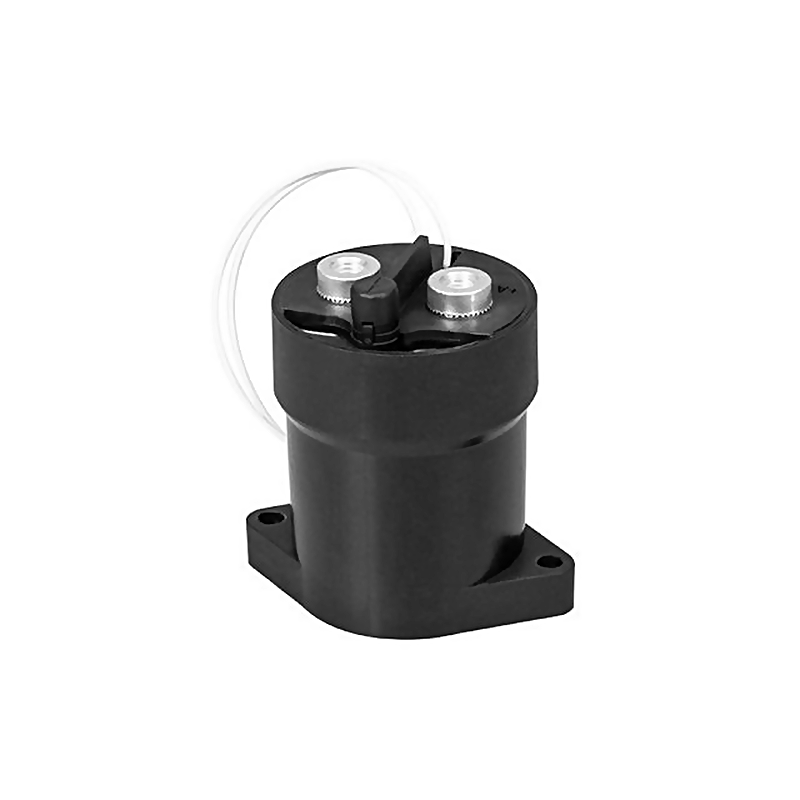
When a contactor or relay fails in an industrial setting, it rarely fails quietly—it takes a production line down with it. Choosing contactor and relay components that last isn't about paying more; it's about knowing which engineering features actually determine real-world durability, and which are just marketing language.
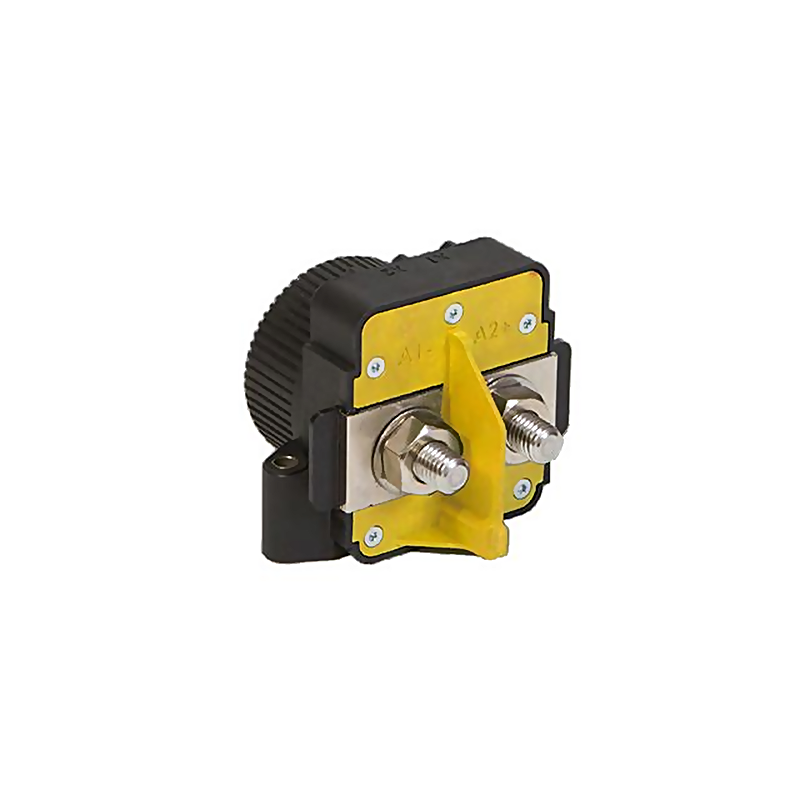
Below, we break down the features that define truly durable contactor and relay components for industrial use—from contact material science to sealed enclosure design—so engineers and procurement specialists can specify with confidence.
The contacts are where the actual work happens—and where most contactor and relay failures originate. Every switching cycle creates arcing that erodes contact material, increases resistance, and eventually causes the device to fail. The contact material is what separates a unit rated for 10,000 cycles from one rated for 1,000,000.
Industrial-grade contactor and relay components use silver alloy contacts—silver-nickel (AgNi), silver-tin oxide (AgSnO₂), or silver-cadmium (AgCdO)—rather than plain copper or silver plating. These alloys resist arc erosion, maintain low contact resistance across hundreds of thousands of operations, and resist welding under fault currents. If a contactor and relay datasheet doesn't specify the contact alloy, that's a red flag—it's likely using cheap base-metal contacts that will wear out fast.
Even with good contact material, arcing during switching erodes surfaces over time. Durable contactor and relay designs include arc suppression features: magnetic blowout coils that stretch the arc, chutes that cool and extinguish it, and optimized contact gap geometry that reduces restrike probability.
For high-current applications—motor switching, capacitor banks, DC circuits—arc suppression isn't optional. A contactor and relay without proper arc control will see contact pitting within months, leading to increased heating, voltage drop, and eventual failure. Look for arc chute specifications on the datasheet; their presence (or absence) tells you exactly what duty cycle the device is designed for.
Industrial environments vibrate—from running motors, hydraulic equipment, and nearby machinery. A contactor and relay that loses contact pressure under vibration will chatter, arc excessively, and fail prematurely. Durable industrial units address this through:
• Reinforced frame construction that prevents flexing under mechanical stress
• High contact force springs that maintain pressure even under vibration
• Damped armature designs that prevent contact bounce on closure
• Stainless steel mounting hardware that resists loosening over time
For applications near heavy machinery or in mobile equipment, specify contactor and relay units with vibration ratings (typically 5–10g) on the datasheet. Units without this rating are consumer-grade devices being marketed as industrial.
Heat is the silent killer of contactor and relay components. Every operation generates heat in the coil and at the contacts. Over time, this heat degrades insulation, weakens springs, and accelerates contact oxidation. Durable industrial designs manage heat through:
• Copper or aluminum heat sink paths that conduct heat away from contacts and coils
• Optimized coil winding patterns that minimize resistive heating
• Ventilation pathways or sealed potting that dissipates or blocks thermal stress
• Wide temperature rating (typically -40°C to +85°C or higher)
Thermal cycling—daily temperature swings from startup to shutdown—is equally damaging. A contactor and relay that survives 10,000 thermal cycles without cracking or losing contact alignment is built to a fundamentally higher standard than one rated for room-temperature office use.
Dust, moisture, oil vapor, and salt air are contactor and relay enemies number two (after arcing). Open-frame contactor and relay units that work fine in a clean control panel will fail prematurely on a factory floor, outdoors, or in coastal facilities. The defining feature of truly industrial-grade contactor and relay components is sealed construction:
• Hermetically sealed: metal or ceramic enclosure with welded seams—no moisture or gas exchange. Used for the harshest environments.
• Sealed (IP65/IP67 rated): potted or gasketed enclosure that blocks dust and water jets. Good for most industrial settings.
Sealed contactor and relay designs maintain stable contact resistance over years, because the contacts never see oxygen, moisture, or airborne contaminants. This is the difference between a device that needs annual inspection and one that runs for a decade without attention.
A contactor and relay rated for 30A at 240V isn't automatically suitable for a 30A motor load—motor inrush current can be 6–8x running current for the first few cycles. Durable industrial units specify:
• Utilization category (AC-3 for normal motor switching, AC-4 for heavy-duty inching): this tells you exactly what duty the contactor and relay is rated for
• Mechanical endurance (operations without load): typically 10M+ cycles for industrial units
• Electrical endurance (operations at rated load): 100K–1M cycles, depending on the category
If a contactor and relay datasheet only lists "amp rating" without utilization category or endurance cycles, it's not an industrial-grade device—it's a general-purpose relay in an industrial-looking housing.
Even contactor and relay components with all the right engineering features fail fast if they're counterfeit. Gray-market units often copy the datasheet but use inferior contact materials, undersized coils, and fake certification. These devices look identical on the shelf but fail at a fraction of the rated cycles.
When sourcing contactor and relay components for critical industrial applications—automotive production lines, energy storage systems, industrial automation—work with distributors that provide full traceability, incoming inspection, and clear classification of factory-sealed vs. industrial surplus. Verified supply chain partners ensure every contactor and relay unit meets the original manufacturer's specifications, not just the appearance of them.
Mechanical endurance (no-load operations) for industrial-grade contactor and relay components typically ranges from 5 to 10 million cycles. Electrical endurance (at rated load) is lower—usually 100,000 to 1 million cycles, depending on utilization category. Under proper loading and in a sealed environment, expect 10–15 years of service life.
Check the datasheet for: contact material alloy (not just "silver"), utilization category (AC-3/AC-4), IP rating, vibration rating, and endurance cycle counts. If these specs are missing or vague, the device is likely consumer-grade. Also check for third-party certifications (UL, IEC, TÜV) — industrial contactor and relay units carry these by default.
Technically yes, but it will fail much sooner. General-purpose relays aren't designed for high inrush current, vibration, temperature extremes, or sealed contamination resistance. In an industrial setting, expect 6–12 month lifespan from a consumer-grade relay, versus 10+ years from a properly specified contactor and relay. The downtime cost of failure far outweighs the upfront savings.
The electronic components market is constantly evolving. From global supply chain updates to the latest semiconductor technology trends, our blog provides the professional perspective you need to stay informed and competitive.
Overcoming EMI in High-Speed Automation
A Comprehensive Layout and Component Selection Guide
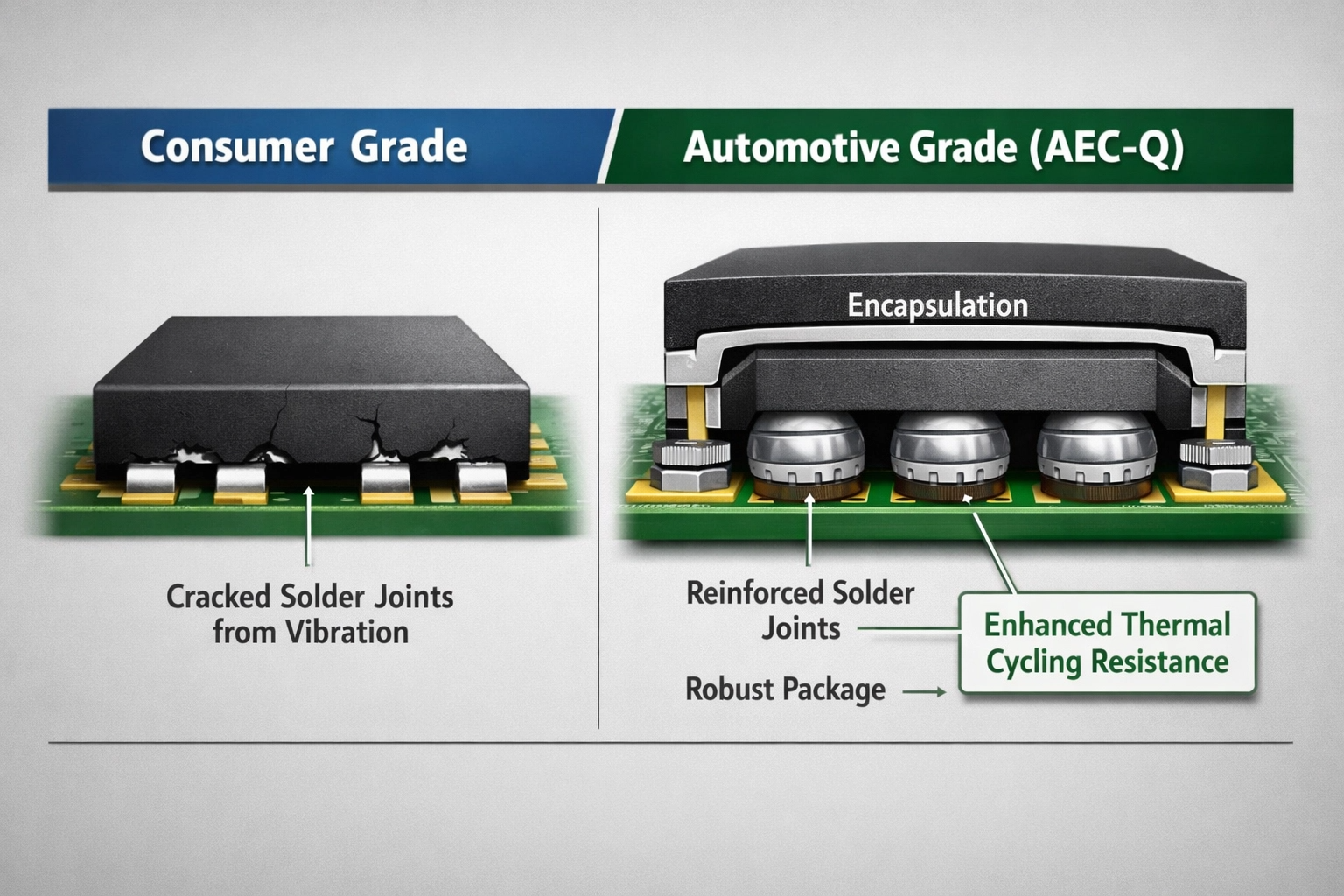
A Deep Dive into AEC-Q Standards and IATF 16949 Compliance







"Finding reliable high-voltage contactors for our EV platform was a major bottleneck until we partnered with this team. Their stock of 800V components is impressive and, more importantly, fully traceable. The packaging was professional, ensuring no static damage during transit. Truly a lifesaver for our production line."
"We were desperately searching for specific power management chips that were on a long backorder elsewhere. They managed to ship original factory parts within 48 hours, which kept our automation project on schedule. Communication was transparent and the technical data sheets provided were accurate. Highly recommend for urgent sourcing needs."
"The quality of the magnetic hydraulic circuit breakers we received exceeded our expectations for the price point. It’s clear they have a rigorous quality inspection process in place before shipping. We've integrated their parts into our latest battery storage units with zero failure rates so far. A very dependable partner for long-term supply."
"In this industry, trust is everything, especially when dealing with high-voltage fuses and relays. This company consistently provides genuine products that meet our strict safety certifications for the EU market. Their team is knowledgeable and helped us navigate the technical nuances of the components. Their export logistics to Spain are seamless."
"Managing End-of-Life (EOL) components is a constant struggle, but their database for legacy ICs is a goldmine. I was able to secure a batch of LCD driver ICs that our previous suppliers claimed were impossible to find. Every chip was tested and worked perfectly in our HMI repair prototypes. They are now my go-to for hard-to-find semiconductors."
"I appreciate how they handle smaller, specialized orders with the same urgency as bulk shipments. We needed specific pressure sensors for a fleet of diesel engines, and they arrived in the UK perfectly labeled and documented. Their attention to detail on the commercial invoice made customs clearance a breeze. Great service and even better product quality."
