 EN

what-factors-affect-performance-of-a-surge-suppressor-in-commercial-use, what-factors-affect-performance-of-a-surge-suppressor-in-commercial-use, /news
EN
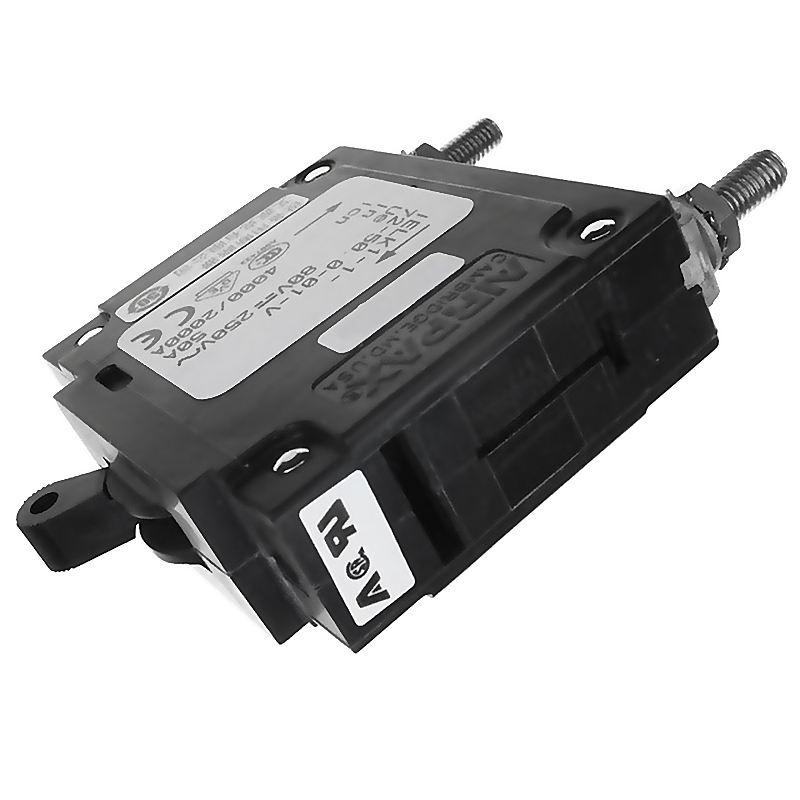
A surge suppressor only works as well as its weakest spec. Pick the wrong voltage rating, install it in the wrong location, or ignore environmental stress, and you'll think you're protected when you're actually not. For facility managers and electrical engineers in commercial and industrial settings, understanding what drives real-world surge suppressor performance is the difference between preventing downtime and watching it happen.
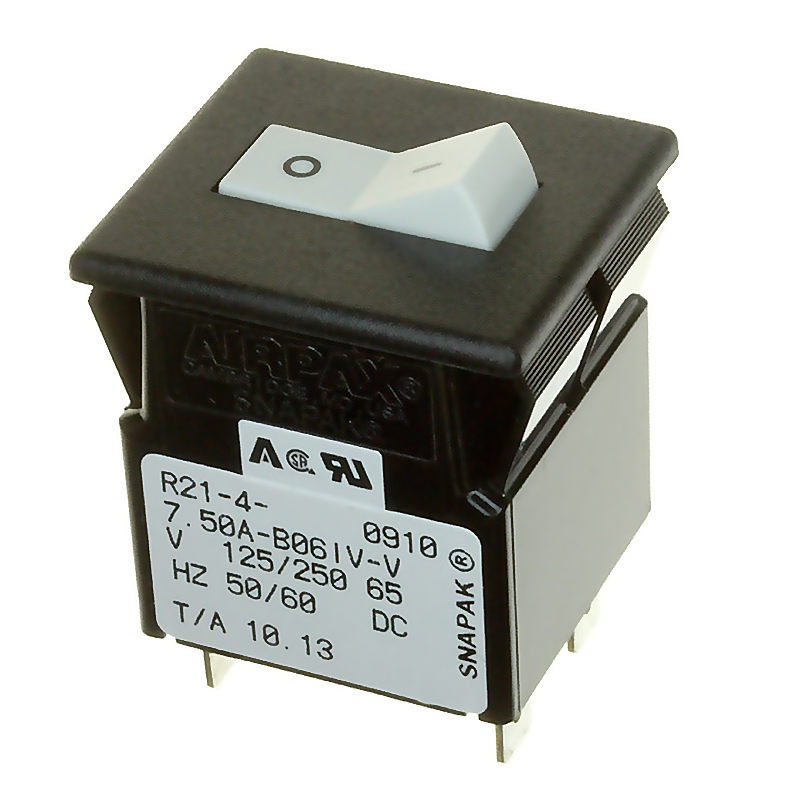
Below, we break down the factors that determine how well a surge suppressor performs in commercial use, from the specs you should check to the installation mistakes that quietly weaken protection.
The first and most common mistake is selecting a surge suppressor whose nominal voltage doesn't match your electrical system. Commercial systems run at 120V, 208V, 277V, or 480V three-phase. If the rated voltage is too low, it'll trip prematurely during normal voltage fluctuations. If it's too high, it won't clamp until the surge has already reached damaging levels.
The spec to look for is the maximum continuous operating voltage, or MCOV. It should sit just above your system's nominal voltage. For a 277V system, look for an MCOV around 320V. This ensures the surge suppressor only activates during real transients, not routine voltage variations.
Manufacturers love to advertise surge protection, but the number that matters is let-through voltage, also called clamping voltage: how much voltage actually reaches your equipment after the surge suppressor activates.
For most commercial equipment, a let-through voltage under 400V is acceptable. But sensitive loads such as PLCs, variable frequency drives, and server power supplies need 330V or lower. If your equipment can only withstand 250V transients, a surge suppressor rated at 400V let-through is not protecting it, no matter how many amps it claims to handle.
Modern units respond in 1 to 5 nanoseconds, which is fast enough for nearly all commercial applications. The marketing battle over sub-nanosecond response is mostly noise. What matters more is how consistently a surge suppressor clamps across different surge waveforms.
A device that clamps well for 8/20μs current waves but fails on faster 1.2/50μs voltage waves will leave your equipment exposed to the transients that destroy semiconductor circuits. Always check which test waveforms the surge suppressor specs are based on.
Commercial facilities can see surge currents anywhere from 10,000A to 200,000A, depending on proximity to lightning strikes and utility switchgear. A surge suppressor rated for 20kA won't survive a direct nearby strike. It will absorb the energy, degrade, and go silent, failing open and leaving you unprotected without warning.
For main service entrance protection, look for a minimum of 100kA per mode. For secondary distribution panels, 20 to 50kA is typically sufficient. The key is coordinating every surge suppressor so the main panel absorbs the bulk of the energy and downstream devices handle smaller residual transients.
One surge suppressor at the main panel is better than nothing, but it's not enough. Best practice for commercial facilities is a coordinated, multi-stage setup:
• Type 1 surge suppressor, main service entrance: Handles utility-side surges and lightning with high current capacity and higher let-through voltage
• Type 2 surge suppressor, sub-panels: Clamps residual energy down to safer levels for building circuits
• Type 3 surge suppressor, point-of-use: Sits right at sensitive equipment like server racks or PLC cabinets with the lowest let-through voltage
If you skip the cascading and rely on a single device, you face voltage coordination problems where the main panel's clamping voltage is already too high for sensitive downstream equipment.
Metal oxide varistors, or MOVs, form the core of most units and degrade every time they absorb a surge, even faster under stress. High ambient temperatures above 40°C, humidity, and salt air at coastal facilities all shorten service life significantly.
For harsh environments such as hot manufacturing plants, outdoor installations, and coastal sites, specify a surge suppressor with encapsulated MOVs and corrosion-resistant housings. A surge suppressor rated for 10 years in an office building might only last 2 to 3 years on a factory floor.
MOVs degrade with every surge event, even small ones. Most units last 5 to 10 years in typical commercial settings, but that clock starts ticking the day a surge suppressor is installed, not when it fails.
Always choose a surge suppressor with visual status indicators, such as green and red LEDs. For critical facilities, look for remote monitoring contacts that alert you when replacement is needed. Annual inspection, checking status lights, verifying connections, and testing clamping voltage, should be part of your preventative maintenance schedule.
Even the best-designed surge suppressor fails fast if the internal components are counterfeit or substandard. In the electrical distribution and industrial automation sectors, gray-market parts are a real risk, especially for ICs, connectors, and protection components that look identical to genuine parts but use inferior MOV chips or counterfeit varistors.
When sourcing a surge suppressor for commercial installations, work with distributors that provide full traceability, micro-inspection of incoming parts, and clear classification, such as factory-sealed versus industrial surplus. This is why many procurement teams in automotive and industrial settings prefer verified supply chain partners rather than open-market brokers.
A general-purpose surge suppressor for lighting, HVAC, and motors can tolerate up to 400V. Sensitive electronics such as PLCs, VFDs, servers, and test equipment need 330V or lower. Always check the equipment manufacturer's surge withstand rating and choose a surge suppressor with let-through voltage below that number.
Plan on inspecting each unit every 6 to 12 months, checking status indicators and connections. A surge suppressor typically needs full replacement every 5 to 10 years, but in high-lightning areas or harsh environments, expect 2 to 5 year cycles. If the status indicator shows red, replace it immediately.
No. A main-panel surge suppressor handles utility-level surges, but sensitive equipment on branch circuits needs point-of-use protection. The standard approach is Type 1 at the service entrance, Type 2 at each sub-panel, and Type 3 right at critical loads. This coordinated cascade ensures protection at every level without voltage coordination conflicts.
The electronic components market is constantly evolving. From global supply chain updates to the latest semiconductor technology trends, our blog provides the professional perspective you need to stay informed and competitive.
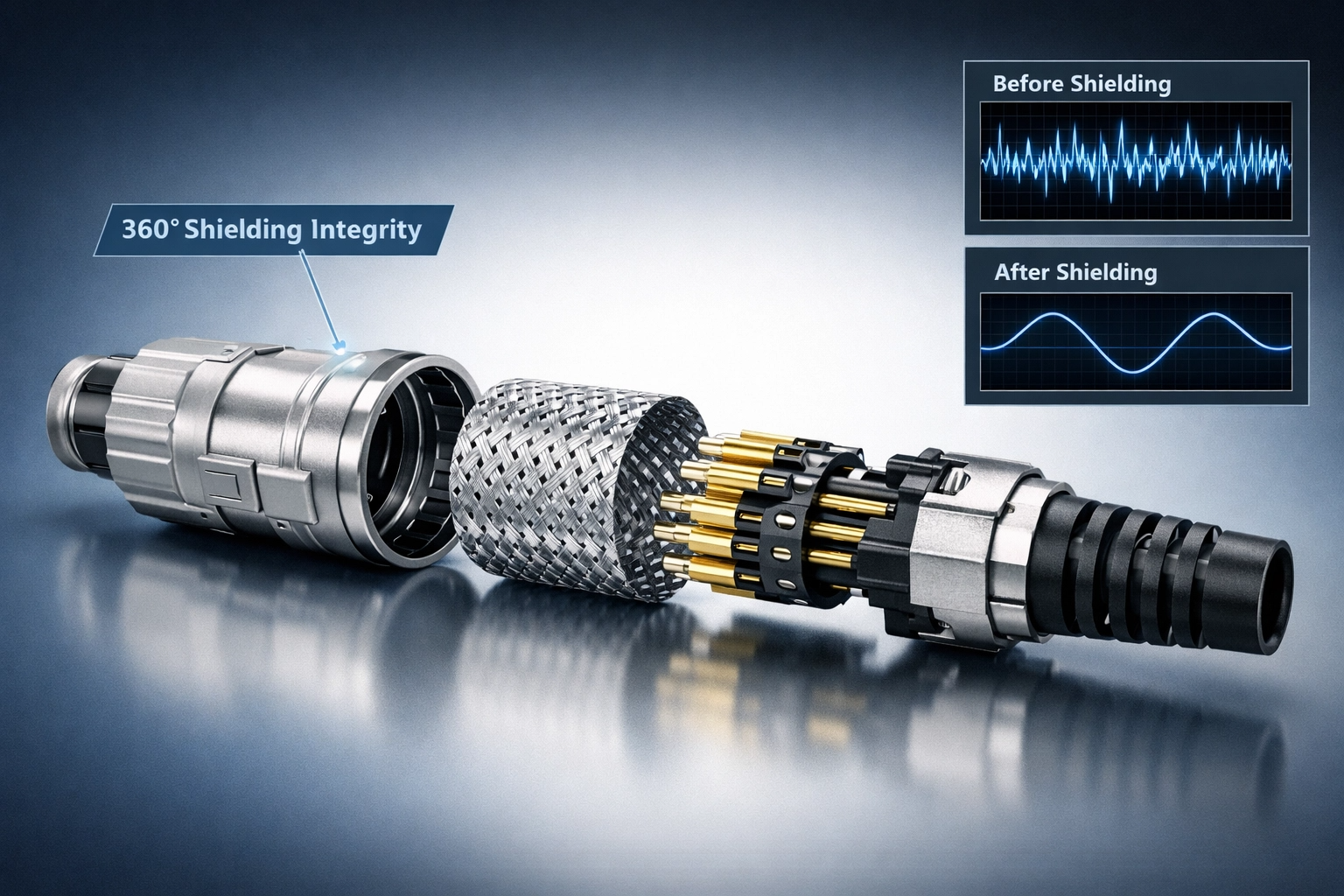
Overcoming EMI in High-Speed Automation
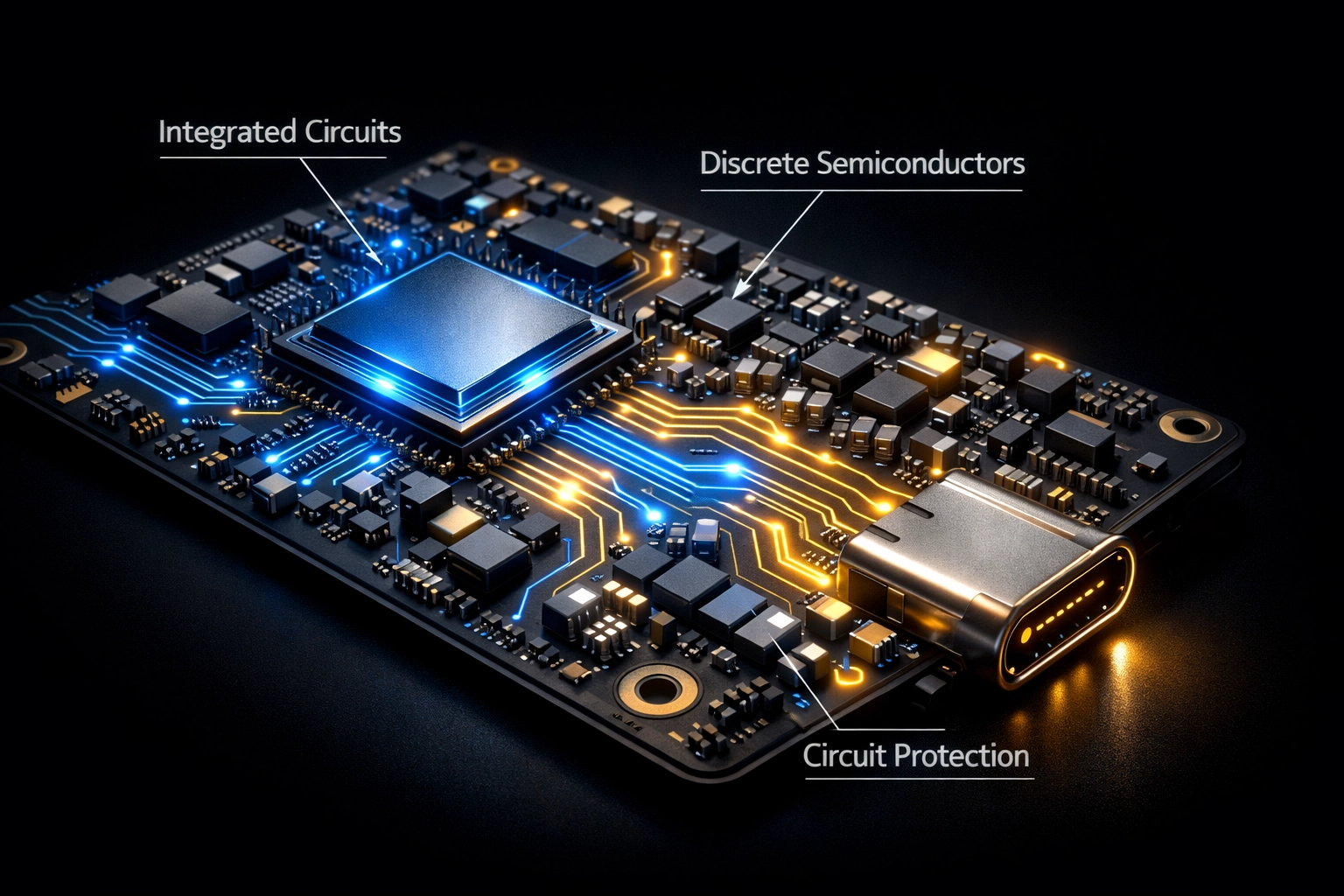
A Comprehensive Layout and Component Selection Guide
A Deep Dive into AEC-Q Standards and IATF 16949 Compliance







"Finding reliable high-voltage contactors for our EV platform was a major bottleneck until we partnered with this team. Their stock of 800V components is impressive and, more importantly, fully traceable. The packaging was professional, ensuring no static damage during transit. Truly a lifesaver for our production line."
"We were desperately searching for specific power management chips that were on a long backorder elsewhere. They managed to ship original factory parts within 48 hours, which kept our automation project on schedule. Communication was transparent and the technical data sheets provided were accurate. Highly recommend for urgent sourcing needs."
"The quality of the magnetic hydraulic circuit breakers we received exceeded our expectations for the price point. It’s clear they have a rigorous quality inspection process in place before shipping. We've integrated their parts into our latest battery storage units with zero failure rates so far. A very dependable partner for long-term supply."
"In this industry, trust is everything, especially when dealing with high-voltage fuses and relays. This company consistently provides genuine products that meet our strict safety certifications for the EU market. Their team is knowledgeable and helped us navigate the technical nuances of the components. Their export logistics to Spain are seamless."
"Managing End-of-Life (EOL) components is a constant struggle, but their database for legacy ICs is a goldmine. I was able to secure a batch of LCD driver ICs that our previous suppliers claimed were impossible to find. Every chip was tested and worked perfectly in our HMI repair prototypes. They are now my go-to for hard-to-find semiconductors."
"I appreciate how they handle smaller, specialized orders with the same urgency as bulk shipments. We needed specific pressure sensors for a fleet of diesel engines, and they arrived in the UK perfectly labeled and documented. Their attention to detail on the commercial invoice made customs clearance a breeze. Great service and even better product quality."
