 EN

is-a-pmic-critical-for-efficient-power-control-in-portable-electronic-devices, is-a-pmic-critical-for-efficient-power-control-in-portable-electronic-devices, /news
EN
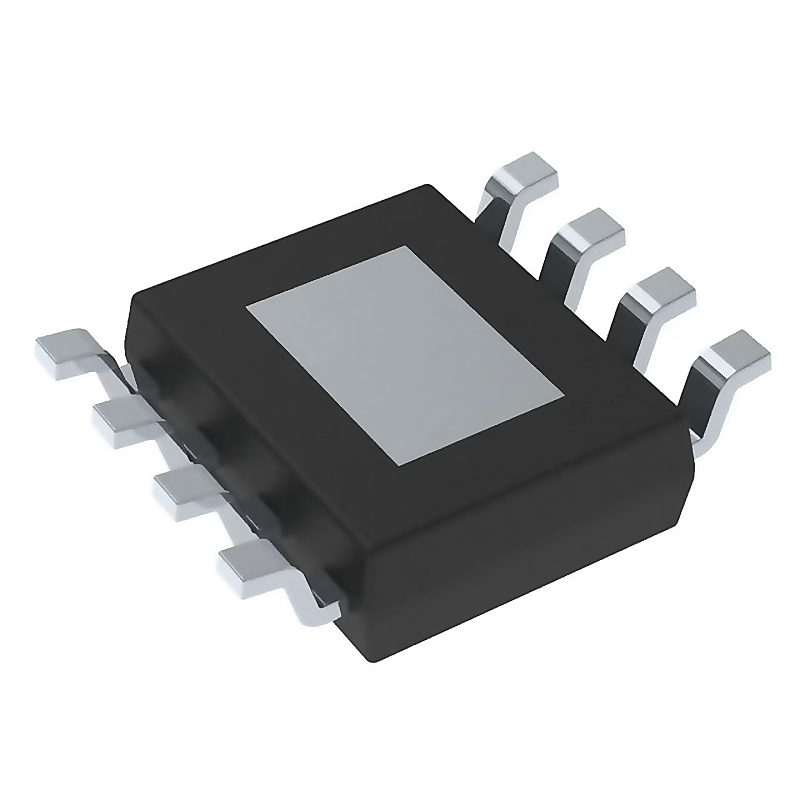
If you've ever wondered why your smartphone lasts all day on a 3000mAh battery while a DIY project with the same battery dies in hours, the answer is almost always the pmic. In portable devices—phones, wearables, handheld scanners, medical gadgets—the pmic (power management IC) isn't just a convenient component. It's the reason these devices can be small, cool, and long-lasting at the same time.
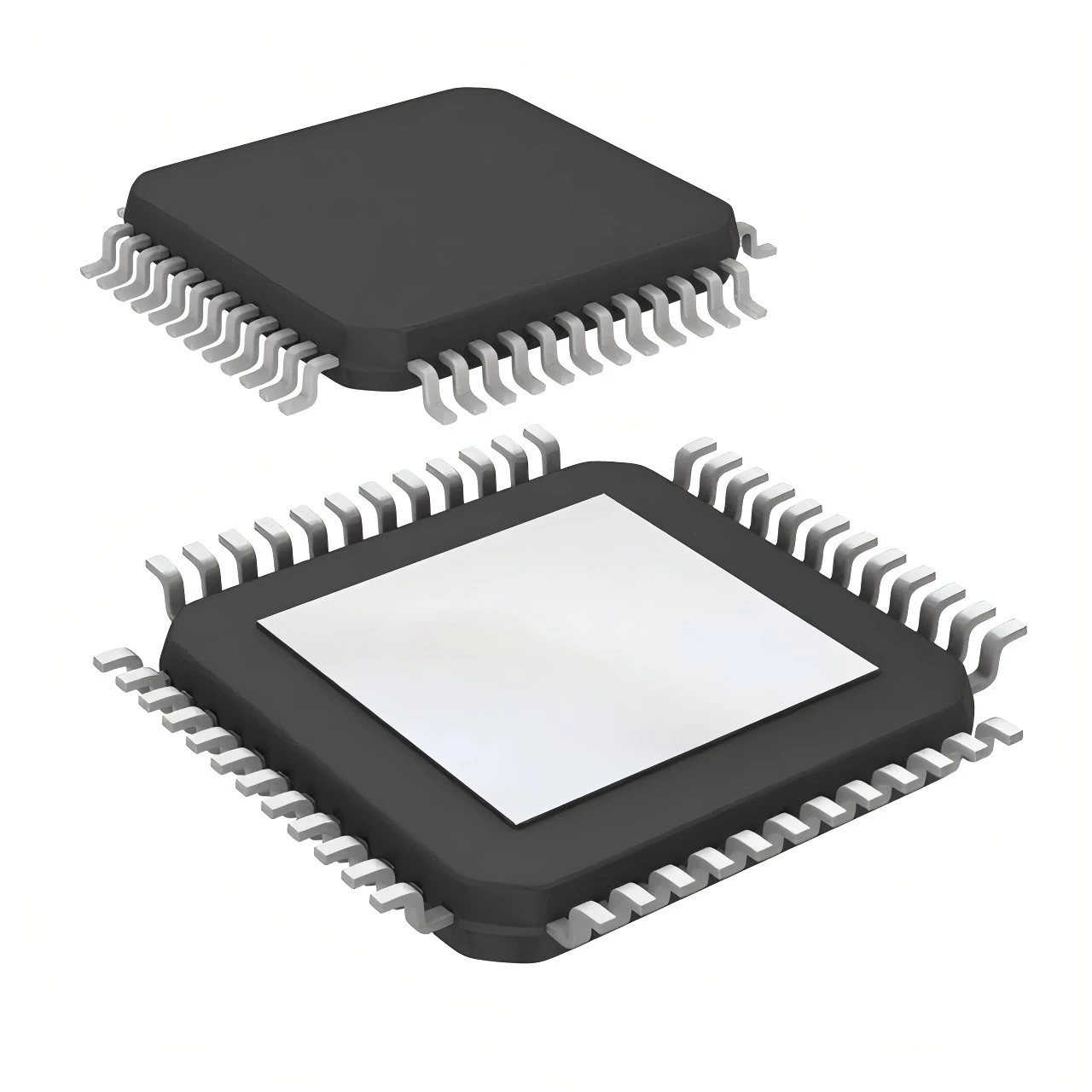
Short answer: yes, a pmic is absolutely critical. Below, we break down why portable device design without an integrated pmic would be impractical, and what specific functions make it indispensable.
A modern smartphone or handheld device runs on a single 3.7V lithium battery—but every subsystem inside needs a different voltage: the application core runs at 0.9–1.2V, memory at 1.8V, I/O at 3.3V, display backlight at 5–12V boost, camera sensor at 2.8V, and USB at 5V. That's 6–8 different power domains from one battery source.
Without a pmic, you'd need a separate regulator for each rail—six to eight buck converters, boost converters, and LDOs, plus their surrounding inductors, capacitors, and feedback networks. That's 30–50 discrete components on the PCB. A pmic consolidates all of this into one chip, cutting board space dramatically and reducing assembly cost. For a pocket-sized device, this integration isn't optional—it's the only way to fit everything.
A portable device's battery life is determined by two things: battery capacity, and how efficiently the pmic delivers that energy. A pmic with 85% efficiency wastes 15% of battery power as heat. A pmic with 95% efficiency wastes only 5%. On a 3000mAh battery, that difference translates to 2–3 hours of additional screen-on time.
But peak efficiency isn't the whole story. Portable devices spend most of their time at light loads—idle, background sync, standby. A good pmic switches to pulse-frequency modulation (PFM) at low currents, which maintains 80%+ efficiency even at milliamp-level draw. A cheaper pmic stuck in fixed-frequency mode might drop to 50% efficiency at light loads, draining the battery during standby. This is why two devices with the same battery capacity can have wildly different real-world runtime.
Modern portable devices save battery by dynamically adjusting voltage and frequency: run the processor at 1.2V when it's working hard, drop it to 0.8V when idle, cut power entirely to unused subsystems. This dynamic voltage scaling (DVS) extends battery life by 20–40% compared to running everything at full voltage.
DVS requires a pmic that can adjust output voltage in real time, under processor control, through I2C or similar interfaces. Discrete regulators run at fixed voltages—they can't change on the fly. The pmic communicates with the application processor, receives instructions about current load demand, and adjusts each rail accordingly. Without this closed-loop coordination, the device would run every subsystem at maximum voltage continuously, wasting battery and generating unnecessary heat.
Lithium batteries store real energy—and if something goes wrong, that energy can cause overheating, swelling, or worse. A pmic handles all the fault protection that portable devices need:
• Overcurrent protection on each output rail: if a subsystem shorts, the pmic cuts that rail before damage spreads
• Overvoltage protection: if a regulator feedback fails, the pmic clamps output before downstream chips get destroyed
• Thermal shutdown: if the device gets too hot (from fast charging or heavy use), the pmic throttles current or shuts down non-critical rails
• Battery charging management: the pmic controls charging current, termination voltage, and charging profile—critical for battery safety and longevity
Without a pmic, each of these protection functions would need its own discrete circuit. That's more components, more board space, and more failure points. In a portable device where safety margins are tight, integrated pmic protection is the only practical approach.
Fast charging (USB-PD, QC, proprietary protocols) isn't just about pushing more current. It requires real-time coordination between the charger, the pmic, the battery gauge, and the application processor. The pmic manages power paths: when plugged in, it routes input power to both the system and the battery charger, adjusting dynamically based on system load. This coordination is what lets you use your phone while it charges without slowing down.
Other portable features—wireless charging, adaptive display refresh, always-on sensors, and quick wake—all depend on pmic control. Each of these features requires the pmic to switch rails on/off, adjust voltage, or route power between paths. A device without a sophisticated pmic simply can't support these modern features.
Because the pmic handles all battery protection and power conversion, a counterfeit or degraded pmic isn't just a performance issue—it's a safety issue. Fake pmic units often skip protection circuits, use inferior switching silicon, or have fake efficiency ratings. In a portable device that customers carry in their pockets, this risk is unacceptable.
When sourcing pmic components for portable product designs, work with distributors that provide full traceability, incoming inspection, and clear classification of factory-sealed vs. pulled inventory. Verified supply chain partners ensure every pmic meets original manufacturer specs—so the protection features and efficiency numbers in the datasheet actually exist in the chip you ship to customers.
Technically yes, but practically no. You could build a device with discrete regulators for each voltage rail, but it would be larger, hotter, less efficient, more expensive, and have shorter battery life. Modern portable devices—from smartphones to handheld industrial scanners to medical wearables—exclusively use integrated pmic solutions because it's the only way to fit multiple power domains into a small form factor while maintaining battery life.
Light-load efficiency. Peak efficiency is advertised on every datasheet, but portable devices spend most of their time at 1–10% load. A pmic that drops to 50% efficiency at light current will drain the battery in standby. Always check efficiency curves at multiple load points, not just the peak number.
The pmic controls charging current, termination voltage, and thermal behavior during charging. A good pmic implements the battery manufacturer's recommended charging profile (CC/CV), prevents overcharging, and limits charging current when the battery is too hot or too cold. This directly affects how many charge cycles the battery can handle before capacity drops below 80%. A poorly designed pmic can halve battery lifespan in 1–2 years.
The electronic components market is constantly evolving. From global supply chain updates to the latest semiconductor technology trends, our blog provides the professional perspective you need to stay informed and competitive.
Overcoming EMI in High-Speed Automation
A Comprehensive Layout and Component Selection Guide
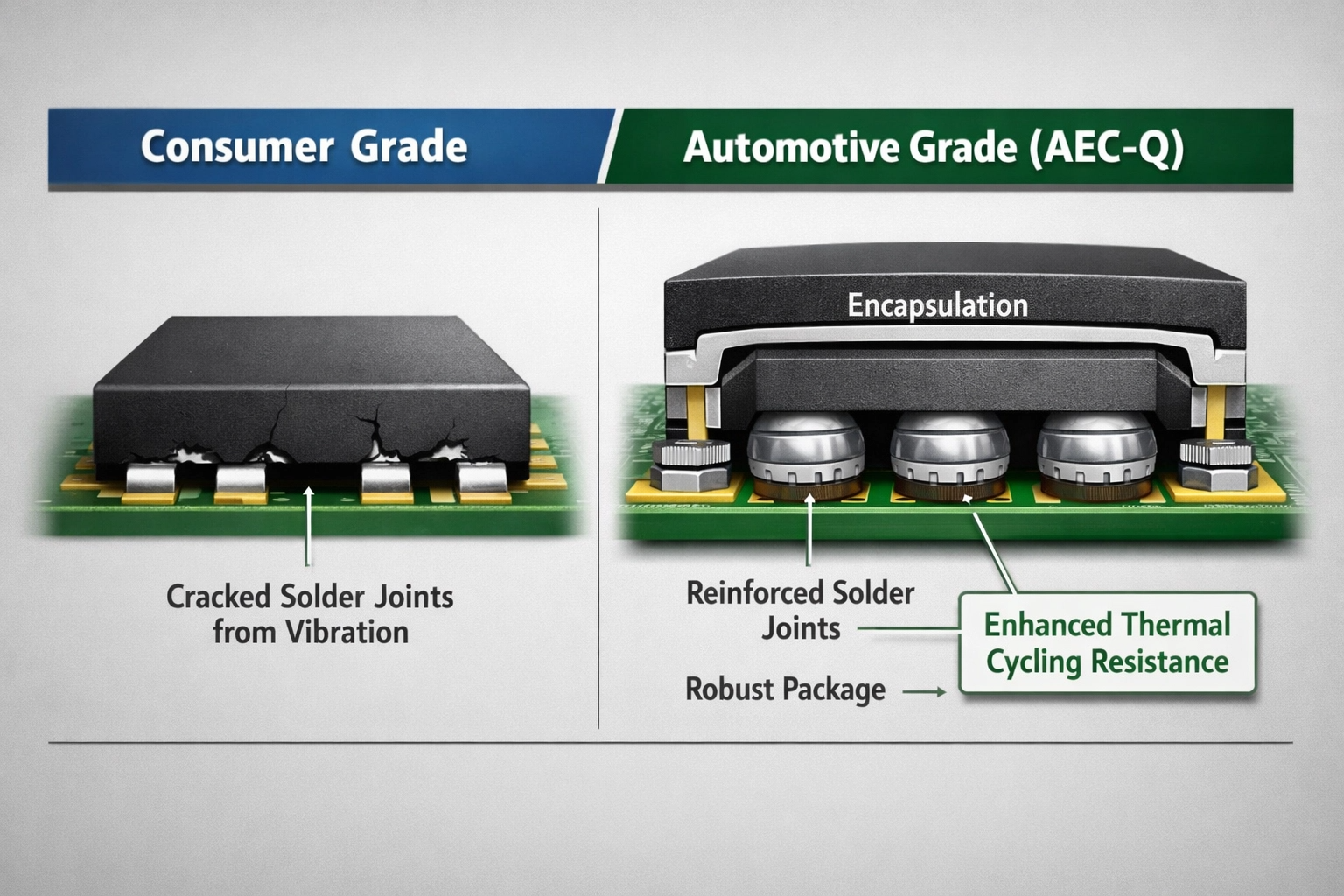
A Deep Dive into AEC-Q Standards and IATF 16949 Compliance







"Finding reliable high-voltage contactors for our EV platform was a major bottleneck until we partnered with this team. Their stock of 800V components is impressive and, more importantly, fully traceable. The packaging was professional, ensuring no static damage during transit. Truly a lifesaver for our production line."
"We were desperately searching for specific power management chips that were on a long backorder elsewhere. They managed to ship original factory parts within 48 hours, which kept our automation project on schedule. Communication was transparent and the technical data sheets provided were accurate. Highly recommend for urgent sourcing needs."
"The quality of the magnetic hydraulic circuit breakers we received exceeded our expectations for the price point. It’s clear they have a rigorous quality inspection process in place before shipping. We've integrated their parts into our latest battery storage units with zero failure rates so far. A very dependable partner for long-term supply."
"In this industry, trust is everything, especially when dealing with high-voltage fuses and relays. This company consistently provides genuine products that meet our strict safety certifications for the EU market. Their team is knowledgeable and helped us navigate the technical nuances of the components. Their export logistics to Spain are seamless."
"Managing End-of-Life (EOL) components is a constant struggle, but their database for legacy ICs is a goldmine. I was able to secure a batch of LCD driver ICs that our previous suppliers claimed were impossible to find. Every chip was tested and worked perfectly in our HMI repair prototypes. They are now my go-to for hard-to-find semiconductors."
"I appreciate how they handle smaller, specialized orders with the same urgency as bulk shipments. We needed specific pressure sensors for a fleet of diesel engines, and they arrived in the UK perfectly labeled and documented. Their attention to detail on the commercial invoice made customs clearance a breeze. Great service and even better product quality."
