 EN

how-does-a-power-converter-improve-efficiency-in-energy-conversion-systems, how-does-a-power-converter-improve-efficiency-in-energy-conversion-systems, /news
EN
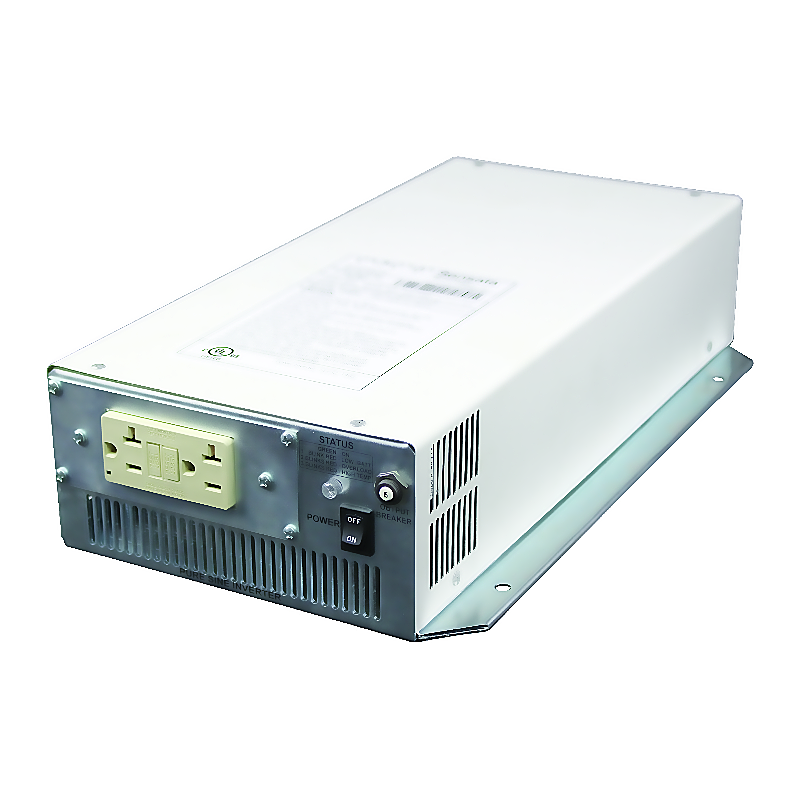
A power converter improves efficiency by delivering the voltage and current a load needs while limiting energy lost as heat, switching noise, and unnecessary current. Its value is not simply changing one voltage level into another. A well-designed power converter also responds to changing loads, supports stable operation, and helps the wider energy conversion system use available input power effectively.
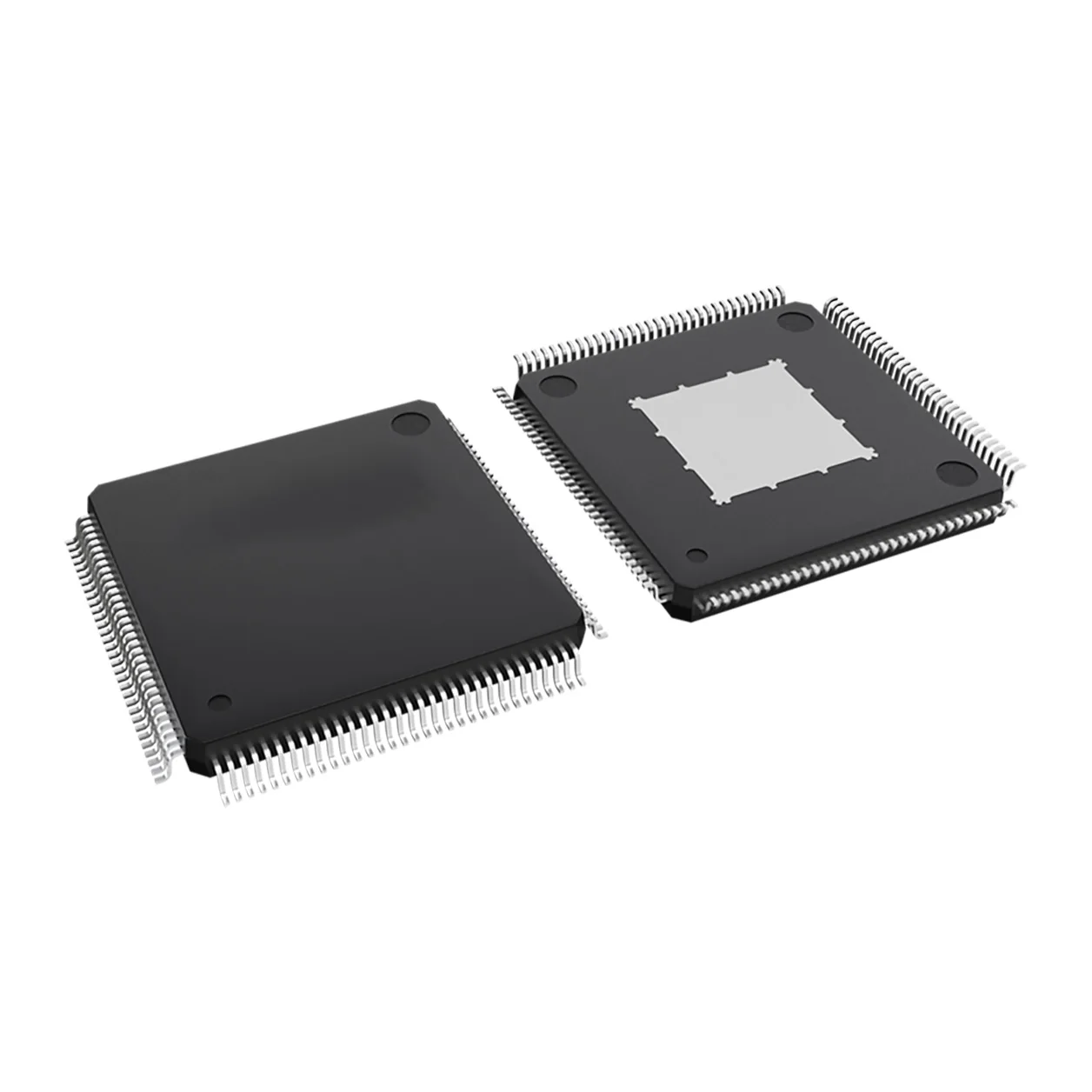
In an industrial installation, battery system, or electronic product, conversion losses accumulate across operating hours. A power converter can reduce avoidable losses through suitable topology, control, and component selection. The result depends on the complete operating profile, not a single efficiency figure: engineers must match the power converter to input variation, load demand, thermal limits, and the system’s control requirements.
An energy source rarely supplies exactly the voltage required by every load. A power converter adjusts that level so downstream equipment can operate within its specified range. When the voltage is matched appropriately, the power converter avoids inefficient resistive dropping, reduces excess current where the application permits, and can keep equipment from operating outside its intended conditions.
The conversion method matters. A switching power converter transfers energy through controlled switching elements and inductive or capacitive components rather than dissipating all excess voltage as heat. Its switching frequency, duty cycle, and circuit design determine how effectively energy moves from input to output. Engineers therefore assess the power converter across realistic input and output conditions, rather than assuming every switching design delivers the same result.
A power converter has losses during both switching transitions and the periods when current flows through semiconductor devices. Faster transitions can reduce time spent in high-loss states, but aggressive switching may increase electromagnetic interference or gate-drive demand. A practical power converter balances those effects with component ratings, filtering needs, switching frequency, and the operating environment.
Conduction losses depend partly on current and the resistance or voltage drop of the path. Choosing a power converter with suitable current capacity can avoid excessive losses and thermal stress during normal operation. Engineers should also examine low-load performance, since a power converter that is efficient near its rated output may behave differently when a system spends long periods at partial load.
Renewable sources, batteries, and vehicle electrical systems can present input levels that change over time. A power converter designed for the application can regulate its output as the source varies, within specified operating limits. In bidirectional applications, a suitable power converter can also manage energy flow in both directions, supporting charging and discharge paths where the system architecture allows.
This flexibility can improve system-level efficiency by avoiding extra conversion stages. For example, a power converter may support a direct voltage relationship between a battery and a DC bus, subject to the required voltage range and protection strategy. Designers should map source limits, load limits, and transient conditions before selecting the power converter, because regulation cannot compensate for an incompatible operating envelope.
Loads in industrial controls, communications equipment, and portable products may change quickly. A power converter with appropriate feedback control can adjust its output as demand shifts, helping maintain stable voltage without supplying more energy than the load requires. Control-loop response, output capacitance, and transient behavior all influence how well the power converter handles these changes.
Efficiency is also shaped by how a system schedules and distributes power. A power converter can support load management when paired with sensing and supervisory controls that respond to operating demand. In a multi-rail design, the power converter should be evaluated alongside each rail’s load profile, because losses in lightly used outputs and standby operation can affect total energy consumption.
Component selection affects efficiency, reliability, and the size of the cooling solution. Engineers compare semiconductor losses, magnetic component characteristics, capacitor requirements, and control circuitry for the expected duty cycle. A power converter with well-matched components can limit heat generation, while sound thermal design helps preserve operating margins when ambient temperature or workload rises.
Thermal performance should be checked at the enclosure level, not only on a laboratory bench. Heat from neighboring components, airflow restrictions, and board layout can change the conditions a power converter experiences. Appropriate derating and temperature monitoring make efficiency assessments more useful, since sustained high temperature may affect operating behavior and component life.
A single peak-efficiency value does not describe every installation. Measure input and output power at representative voltages, loads, temperatures, and operating modes, then calculate losses across the profile. Comparing those results helps determine whether a power converter is suitable for the actual system rather than only for a favorable test point.
The measurement setup should account for instrument accuracy, wiring losses, and transient behavior. Engineers can use thermal observations alongside electrical measurements to locate unexpected dissipation. If a power converter performs poorly at a frequent operating point, review its topology, switching settings, load distribution, and cooling before making system changes. This process turns efficiency into a verifiable design outcome.
No. A power converter consumes some energy during conversion, so it improves overall efficiency only when its benefits outweigh its own losses and any extra stage it adds. Compare the power converter with the system’s existing method across normal operating conditions, including light load and standby use.
Fixed control and switching demands can represent a larger share of output at light load, while current-related losses can rise at heavy load. As a result, a power converter may have different efficiency at different operating points. Review its performance curve against the application’s actual demand profile.
Measure input and output power, voltage regulation, temperature, and behavior during load or input changes. Test the power converter under representative environmental and operating conditions, then account for wiring and downstream losses. This gives a clearer view of the contribution made by the complete conversion system.
The electronic components market is constantly evolving. From global supply chain updates to the latest semiconductor technology trends, our blog provides the professional perspective you need to stay informed and competitive.
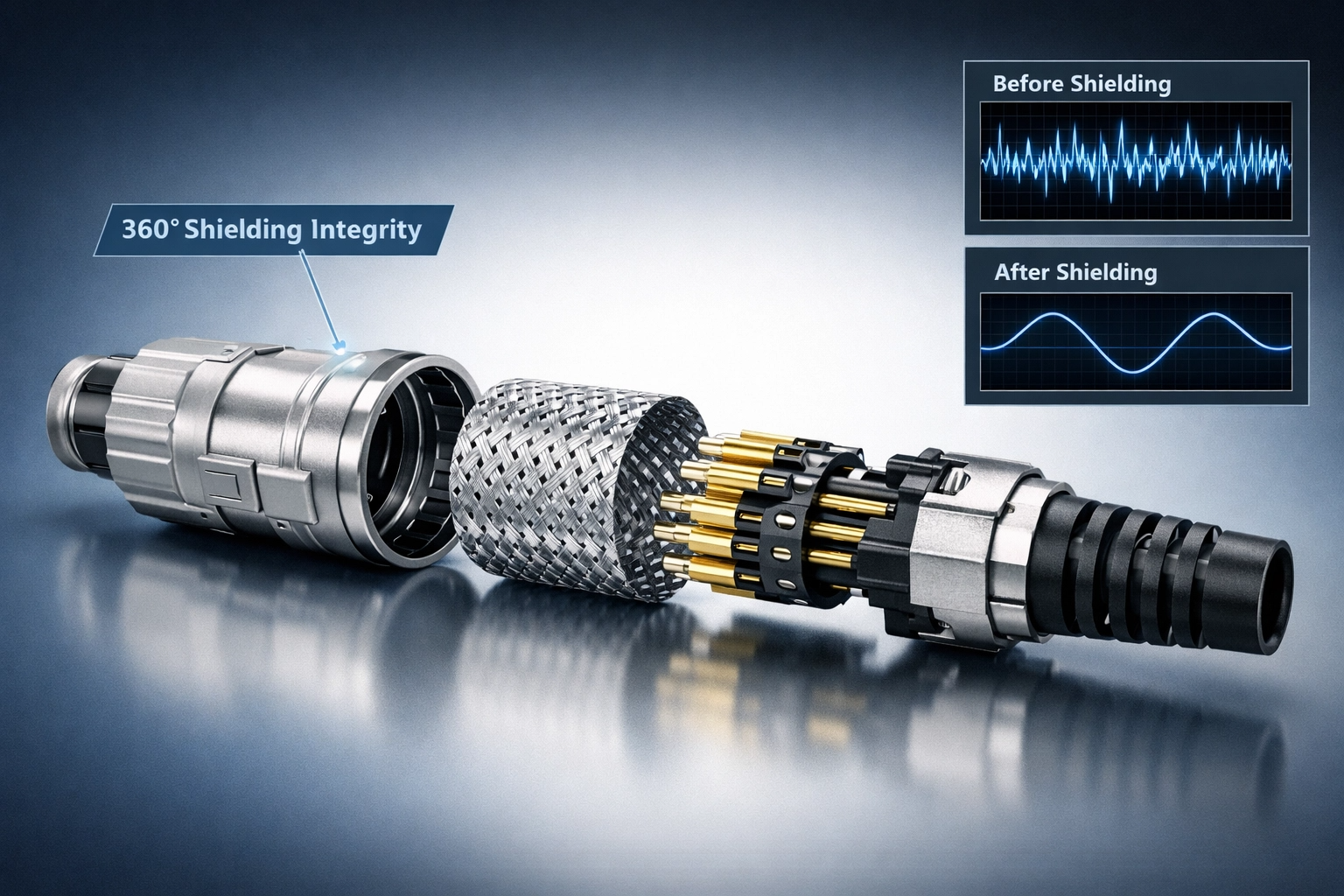
Overcoming EMI in High-Speed Automation
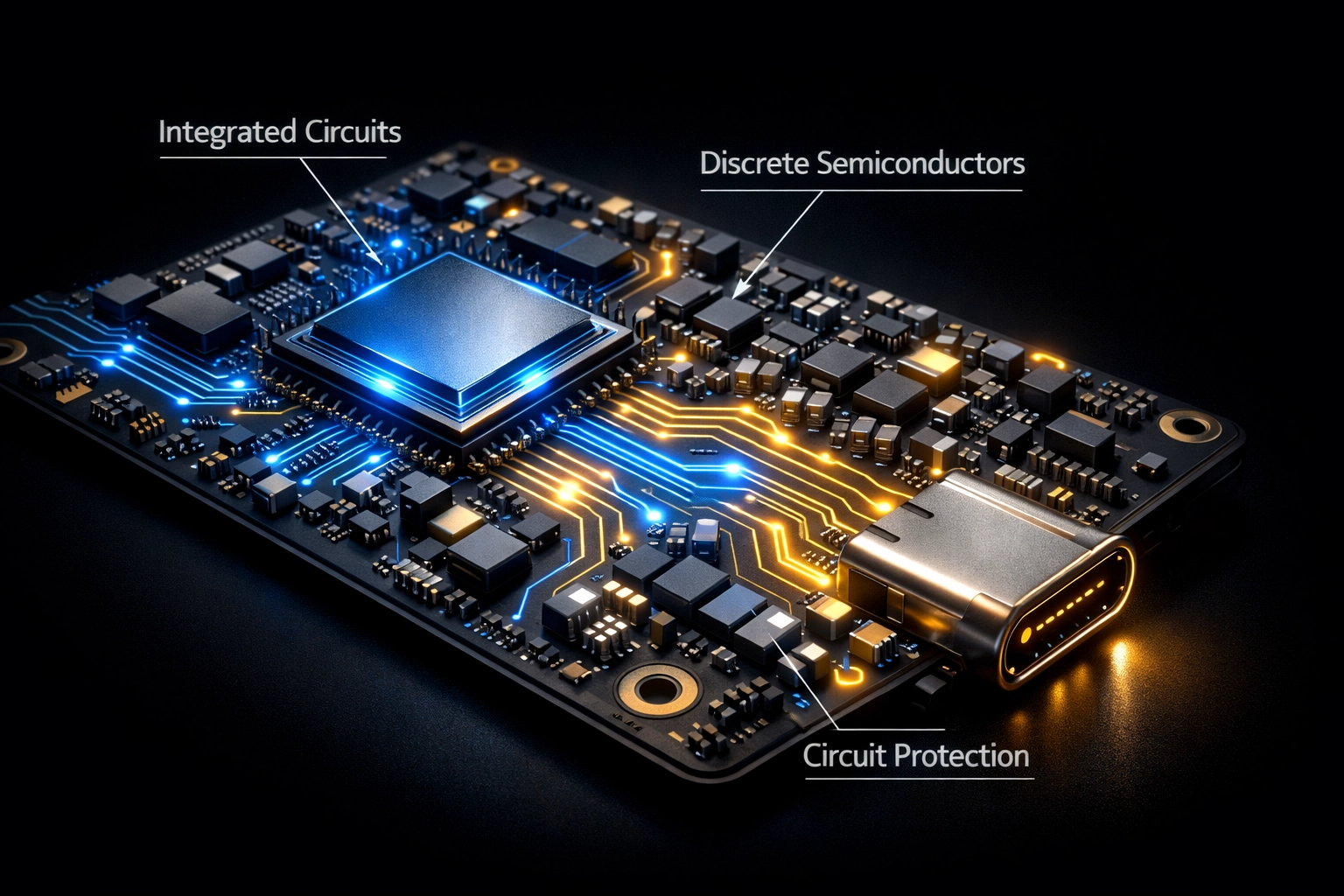
A Comprehensive Layout and Component Selection Guide
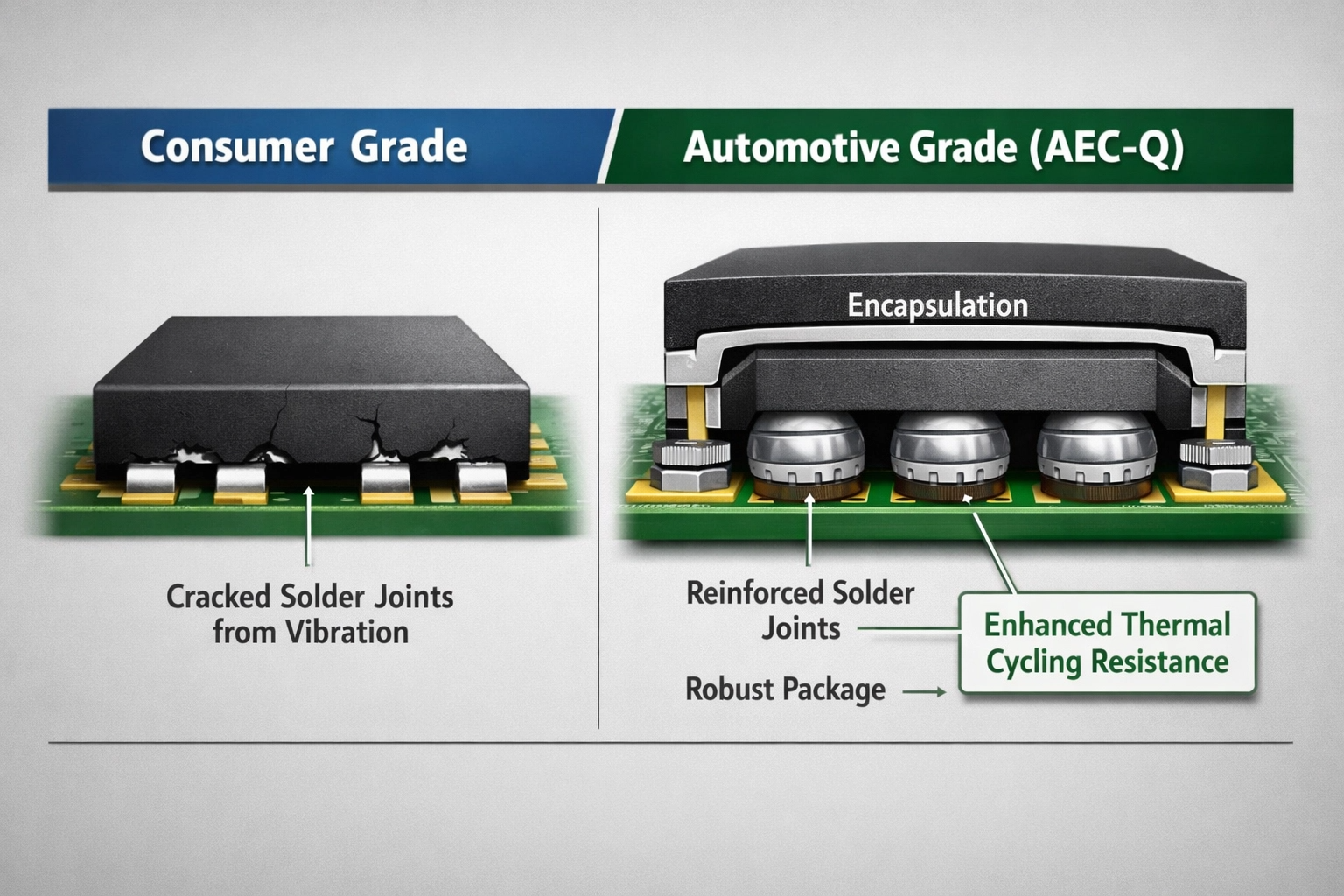
A Deep Dive into AEC-Q Standards and IATF 16949 Compliance






"Finding reliable high-voltage contactors for our EV platform was a major bottleneck until we partnered with this team. Their stock of 800V components is impressive and, more importantly, fully traceable. The packaging was professional, ensuring no static damage during transit. Truly a lifesaver for our production line."
"We were desperately searching for specific power management chips that were on a long backorder elsewhere. They managed to ship original factory parts within 48 hours, which kept our automation project on schedule. Communication was transparent and the technical data sheets provided were accurate. Highly recommend for urgent sourcing needs."
"The quality of the magnetic hydraulic circuit breakers we received exceeded our expectations for the price point. It’s clear they have a rigorous quality inspection process in place before shipping. We've integrated their parts into our latest battery storage units with zero failure rates so far. A very dependable partner for long-term supply."
"In this industry, trust is everything, especially when dealing with high-voltage fuses and relays. This company consistently provides genuine products that meet our strict safety certifications for the EU market. Their team is knowledgeable and helped us navigate the technical nuances of the components. Their export logistics to Spain are seamless."
"Managing End-of-Life (EOL) components is a constant struggle, but their database for legacy ICs is a goldmine. I was able to secure a batch of LCD driver ICs that our previous suppliers claimed were impossible to find. Every chip was tested and worked perfectly in our HMI repair prototypes. They are now my go-to for hard-to-find semiconductors."
"I appreciate how they handle smaller, specialized orders with the same urgency as bulk shipments. We needed specific pressure sensors for a fleet of diesel engines, and they arrived in the UK perfectly labeled and documented. Their attention to detail on the commercial invoice made customs clearance a breeze. Great service and even better product quality."
