 EN

how-do-pressure-sensors-improve-monitoring-accuracy-in-industrial-automation, how-do-pressure-sensors-improve-monitoring-accuracy-in-industrial-automation, /news
EN
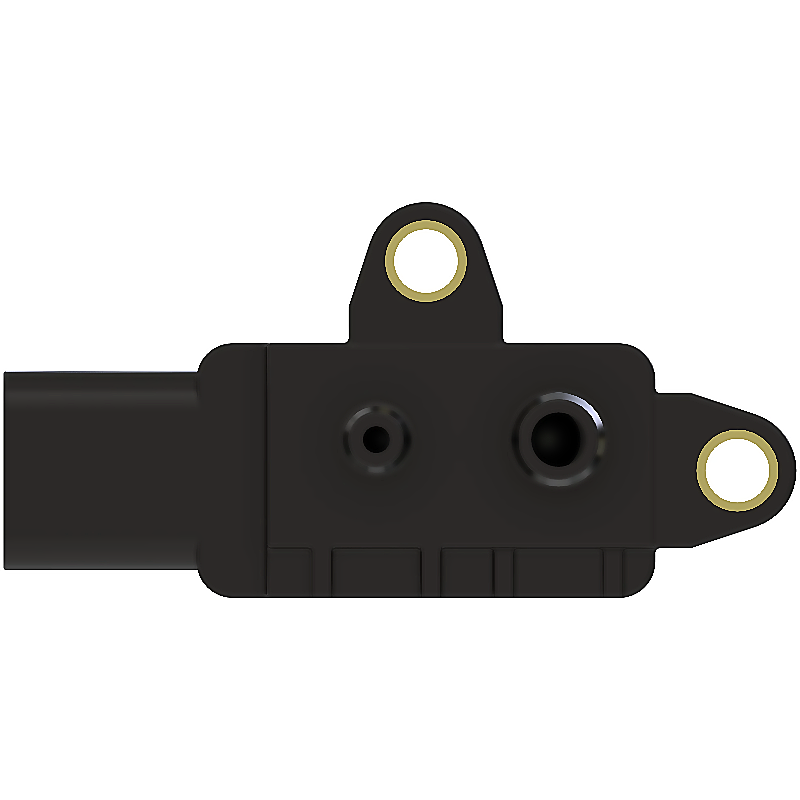
Industrial automation relies on precise, real-time data to maintain operational efficiency and product quality. Pressure sensors have become indispensable components in modern manufacturing environments, enabling facilities to monitor fluid and gas dynamics with unprecedented accuracy. These devices detect minute changes in pressure and convert them into actionable signals that guide automated systems, allowing manufacturers to optimize processes, reduce waste, and prevent equipment failures before they occur. Understanding how pressure sensors improve monitoring accuracy reveals why they remain central to competitive industrial operations today.
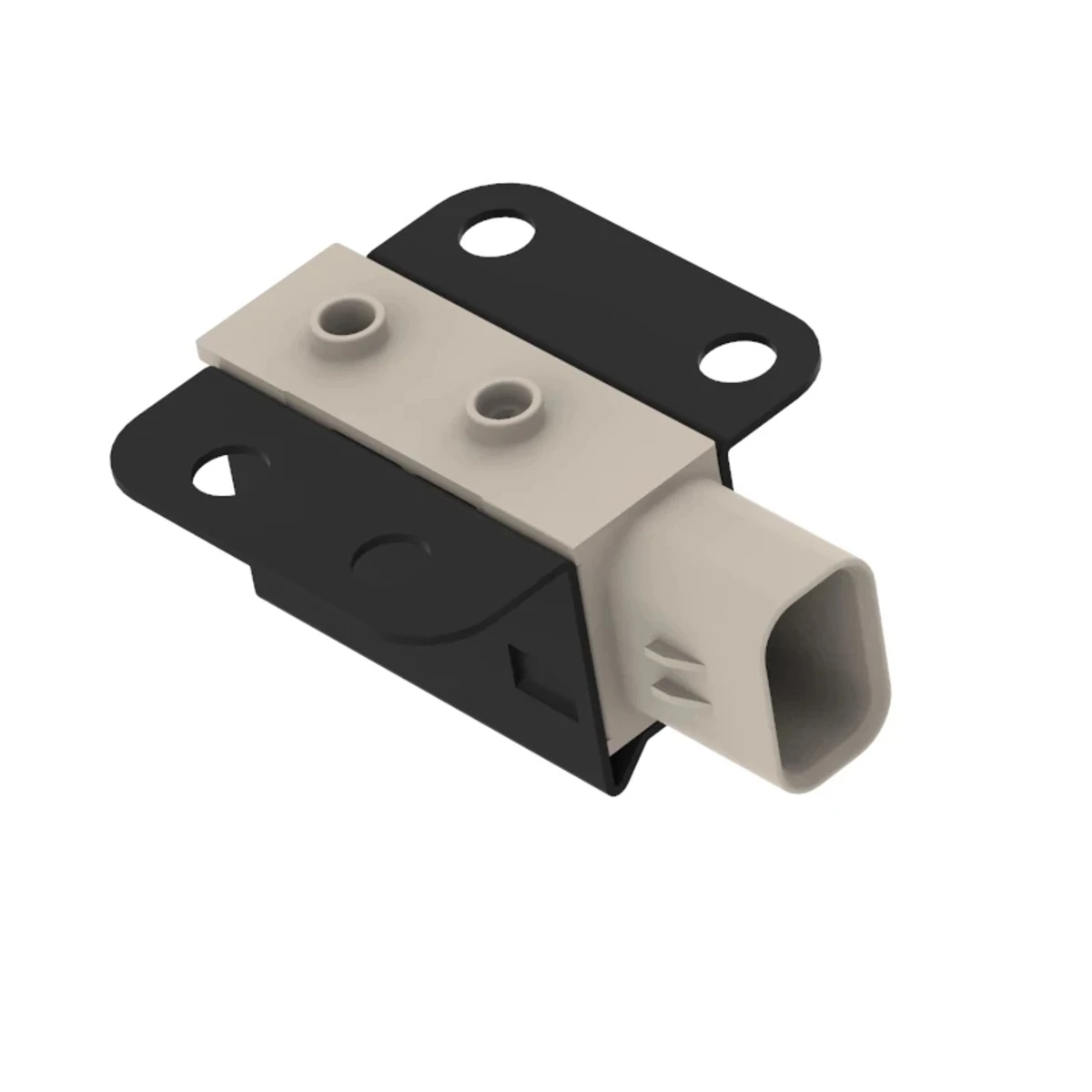
The relationship between pressure sensors and monitoring accuracy extends beyond simple measurement. Pressure sensors translate complex physical phenomena into standardized electronic outputs that automation controllers can interpret instantly. By integrating pressure sensors throughout hydraulic circuits, pneumatic lines, and liquid handling systems, facility managers gain visibility into conditions that directly impact product consistency, equipment longevity, and worker safety. This real-time feedback loop transforms reactive maintenance into predictive management, allowing operations teams to address emerging issues before they cascade into costly shutdowns.
Pressure sensors excel at capturing instantaneous changes in system conditions, a capability that distinguishes them from manual checking or periodic sampling methods. When hydraulic pressure rises unexpectedly in a manufacturing line, pressure sensors detect this deviation within milliseconds and trigger corrective responses through automation controllers. This responsiveness prevents overpressurization that could damage delicate components, compromise product quality, or pose safety hazards. The accuracy of pressure sensors means that automated systems receive clean, trustworthy signals rather than noisy or delayed data that might lead controllers to make incorrect decisions.
Modern pressure sensors offer measurement resolution that captures subtle pressure variations across wide operational ranges. Industrial facilities often require pressure sensors capable of detecting changes as small as 0.1 percent of their maximum rated range, enabling fine-tuned process control that older mechanical gauges could never achieve. This precision ensures that manufacturing parameters remain consistently within tight tolerances, improving product uniformity and reducing scrap rates. Pressure sensors with high accuracy ratings deliver the granular data that automation systems need to maintain reproducible output quality across production runs.
Pressure sensors serve as early detection mechanisms for emerging equipment problems by identifying abnormal pressure signatures that precede mechanical failure. When a hydraulic pump begins to wear, its discharge pressure gradually rises or fluctuates irregularly—patterns that pressure sensors capture long before the component fails completely. Automation systems connected to these pressure sensors can alert maintenance teams, schedule repairs during planned downtime, and prevent unplanned production stoppages. This predictive capability, enabled by accurate pressure sensors, transforms maintenance from a reactive firefighting exercise into a strategic, scheduled process.
Consistent monitoring through pressure sensors ensures that all connected equipment operates within manufacturer specifications, significantly extending component lifespan. When seals, valves, and actuators experience pressure outside their design envelope, wear accelerates and failure rates spike—conditions that inaccurate pressure sensors might miss. Reliable pressure sensors maintain continuous vigilance, ensuring that transient overpressure events trigger relief mechanisms before damage occurs. The improved accuracy of pressure sensors means fewer false alarms that waste resources and genuine alerts that prevent catastrophic failures.
Modern automation systems log pressure data continuously, creating detailed historical records that pressure sensors feed into enterprise analytics platforms. Engineers analyze these pressure trends to identify optimization opportunities, verify compliance with process specifications, and validate equipment performance. Accurate pressure sensors ensure that these datasets reflect genuine system behavior rather than sensor drift or calibration errors. The confidence in pressure sensor data allows facilities to make informed decisions about process adjustments, equipment replacement timing, and operational strategies that improve overall profitability.
Regulated industries such as pharmaceuticals, food processing, and aerospace manufacturing depend on documented proof that critical pressures remained within specified ranges. Pressure sensors integrated with data logging systems create irrefutable records that satisfy regulatory audits and traceability requirements. The accuracy and reliability of pressure sensors directly determine whether documentation will withstand regulatory scrutiny or whether nonconformities might trigger product recalls or compliance penalties. High-accuracy pressure sensors thus provide both operational and legal protection for manufacturers serving regulated markets.
Pressure sensors achieve high accuracy through advanced sensing technologies such as piezoelectric elements, strain gauges, and capacitive transducers that convert pressure directly into proportional electrical signals with minimal distortion. Industrial-grade pressure sensors undergo rigorous calibration against primary standards, temperature compensation to eliminate thermal drift, and quality testing to ensure repeatability across their specified operating ranges. Materials selected for wetted components resist corrosion and degradation from hydraulic fluids or process media, maintaining sensor integrity throughout service life. The combination of precise manufacturing, careful calibration, and robust design allows pressure sensors to deliver accuracy specifications typically within 0.5 to 1.5 percent of full-scale reading.
Pressure sensors monitor system conditions continuously and trigger automated shutdowns or pressure relief when thresholds are exceeded, preventing catastrophic equipment damage and operator injury. Sudden pressure spikes from blockages, seal failures, or control malfunctions pose serious safety and operational risks; however, pressure sensors detect these anomalies in milliseconds and activate protective responses before damage propagates. By maintaining accurate awareness of system pressure, pressure sensors enable automation controllers to enforce safety interlocks that isolate hazardous conditions. Facilities relying on accurate pressure sensors experience fewer unplanned shutdowns, lower maintenance costs, and enhanced workplace safety compared to operations without comprehensive pressure monitoring.
Absolutely. Pressure sensors enable optimization of process parameters by providing detailed, accurate feedback that allows operators to run systems at peak efficiency rather than conservative safety margins. When pressure sensors confirm that equipment operates reliably at slightly lower supply pressures, energy consumption drops without sacrificing output or safety. Predictive maintenance enabled by pressure sensors extends equipment service intervals and prevents expensive emergency repairs that disrupt production schedules. Over time, the investment in accurate pressure sensors pays for itself through reduced energy bills, fewer unexpected downtime events, and extended equipment life. Industries implementing comprehensive pressure sensor monitoring typically report 10 to 20 percent reductions in total maintenance and operational costs.
The electronic components market is constantly evolving. From global supply chain updates to the latest semiconductor technology trends, our blog provides the professional perspective you need to stay informed and competitive.
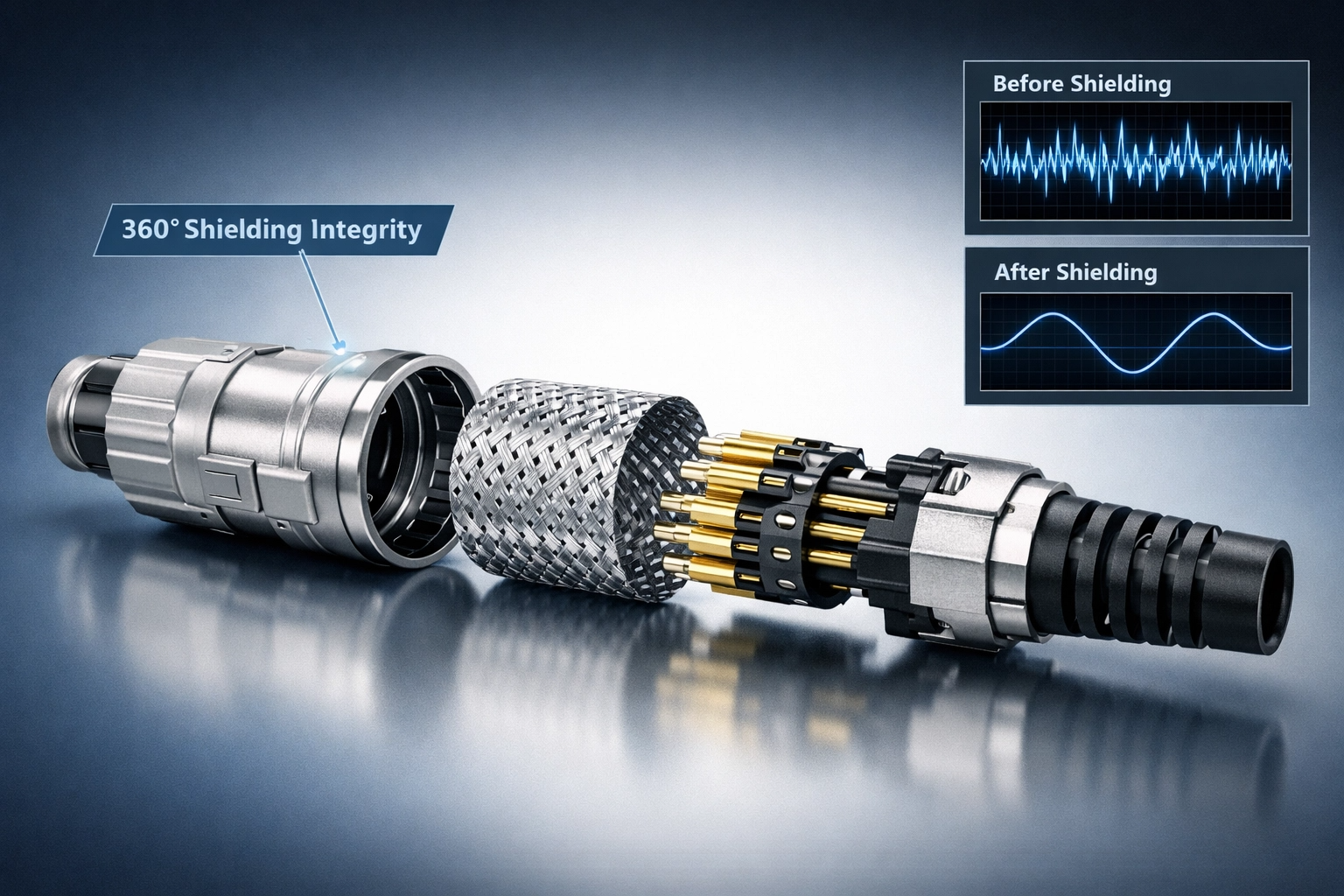
Overcoming EMI in High-Speed Automation
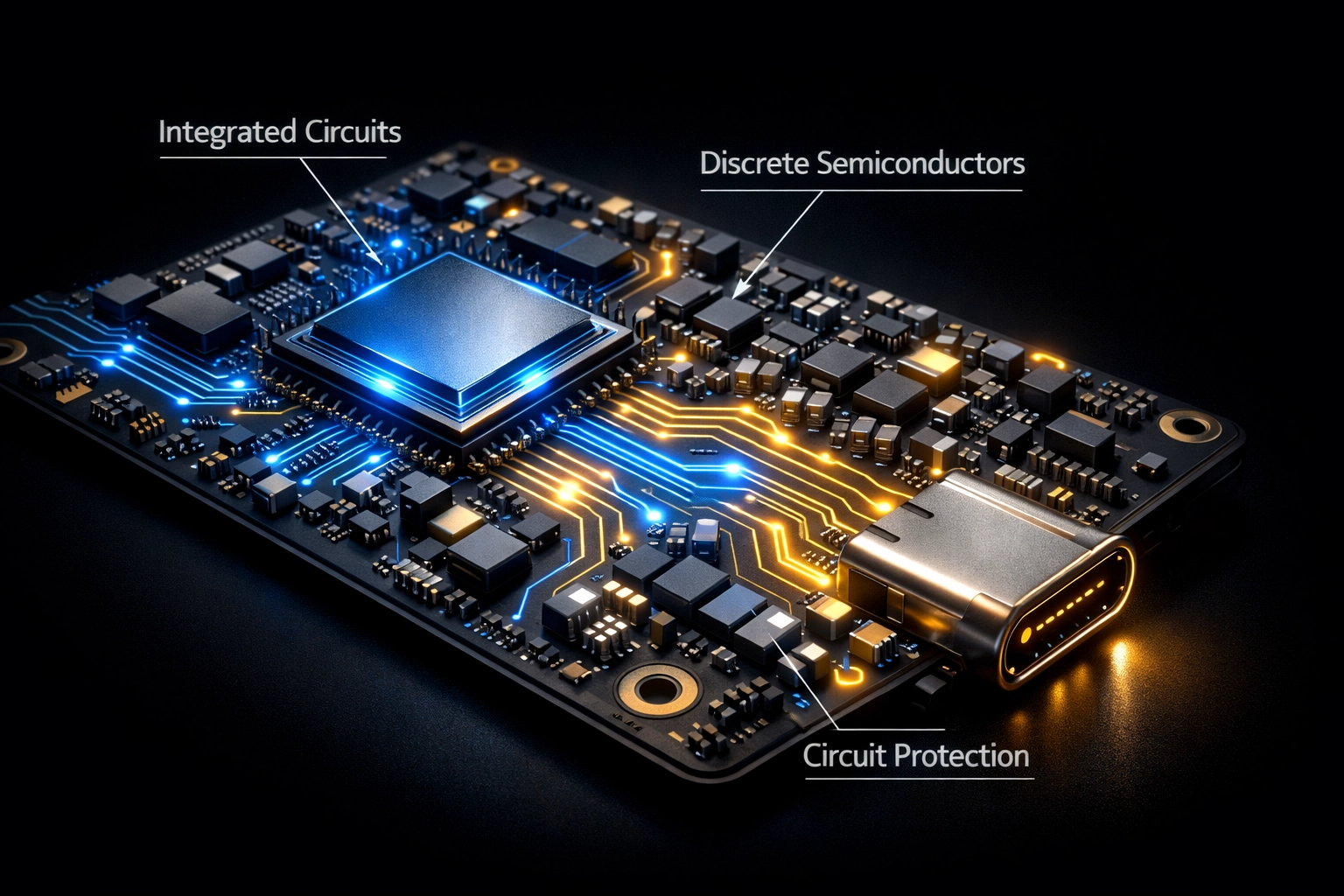
A Comprehensive Layout and Component Selection Guide
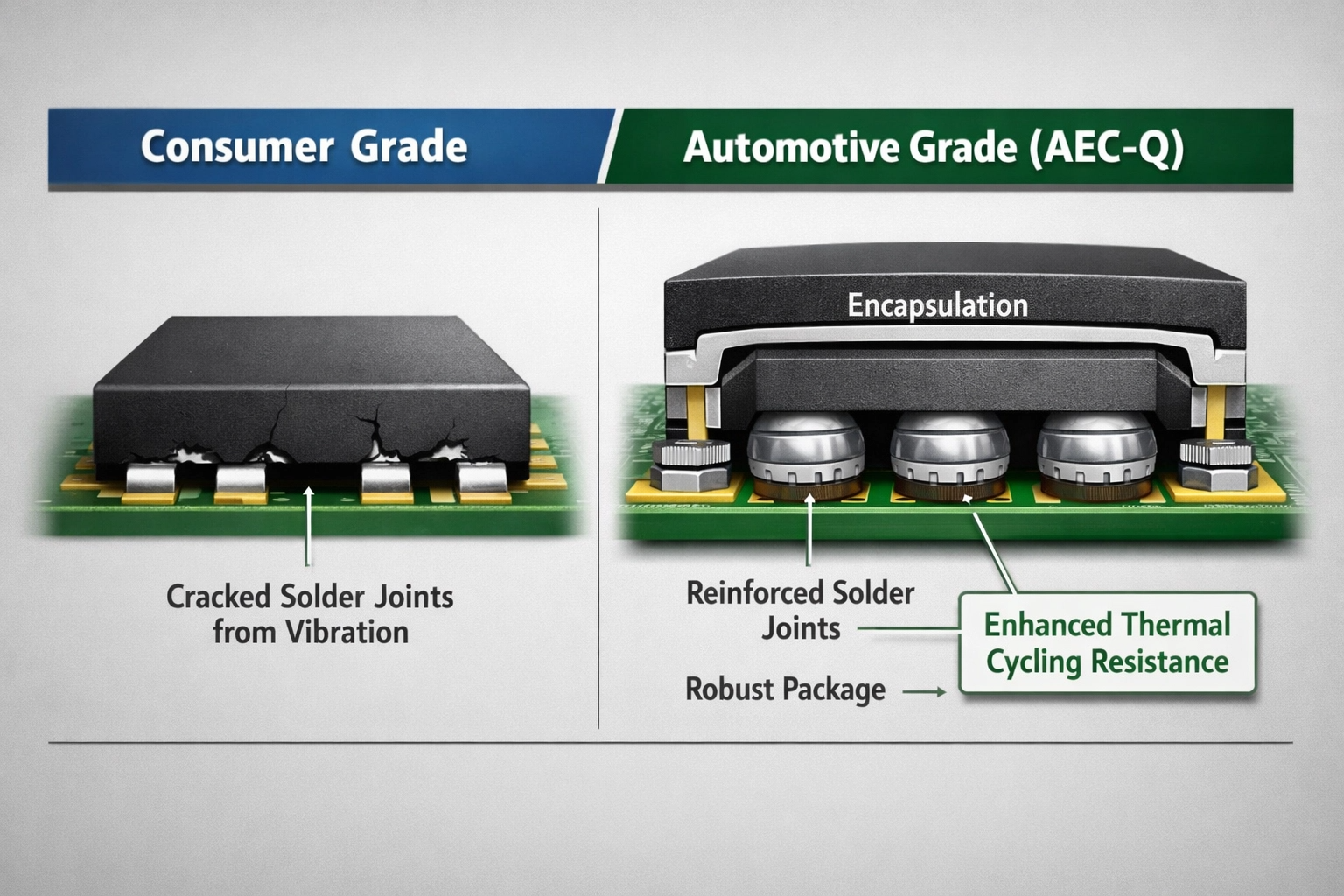
A Deep Dive into AEC-Q Standards and IATF 16949 Compliance






"Finding reliable high-voltage contactors for our EV platform was a major bottleneck until we partnered with this team. Their stock of 800V components is impressive and, more importantly, fully traceable. The packaging was professional, ensuring no static damage during transit. Truly a lifesaver for our production line."
"We were desperately searching for specific power management chips that were on a long backorder elsewhere. They managed to ship original factory parts within 48 hours, which kept our automation project on schedule. Communication was transparent and the technical data sheets provided were accurate. Highly recommend for urgent sourcing needs."
"The quality of the magnetic hydraulic circuit breakers we received exceeded our expectations for the price point. It’s clear they have a rigorous quality inspection process in place before shipping. We've integrated their parts into our latest battery storage units with zero failure rates so far. A very dependable partner for long-term supply."
"In this industry, trust is everything, especially when dealing with high-voltage fuses and relays. This company consistently provides genuine products that meet our strict safety certifications for the EU market. Their team is knowledgeable and helped us navigate the technical nuances of the components. Their export logistics to Spain are seamless."
"Managing End-of-Life (EOL) components is a constant struggle, but their database for legacy ICs is a goldmine. I was able to secure a batch of LCD driver ICs that our previous suppliers claimed were impossible to find. Every chip was tested and worked perfectly in our HMI repair prototypes. They are now my go-to for hard-to-find semiconductors."
"I appreciate how they handle smaller, specialized orders with the same urgency as bulk shipments. We needed specific pressure sensors for a fleet of diesel engines, and they arrived in the UK perfectly labeled and documented. Their attention to detail on the commercial invoice made customs clearance a breeze. Great service and even better product quality."
