 EN

Can-a-thermal-circuit-breaker-improve-safety-in-commercial-power-systems, Can-a-thermal-circuit-breaker-improve-safety-in-commercial-power-systems, /news
EN
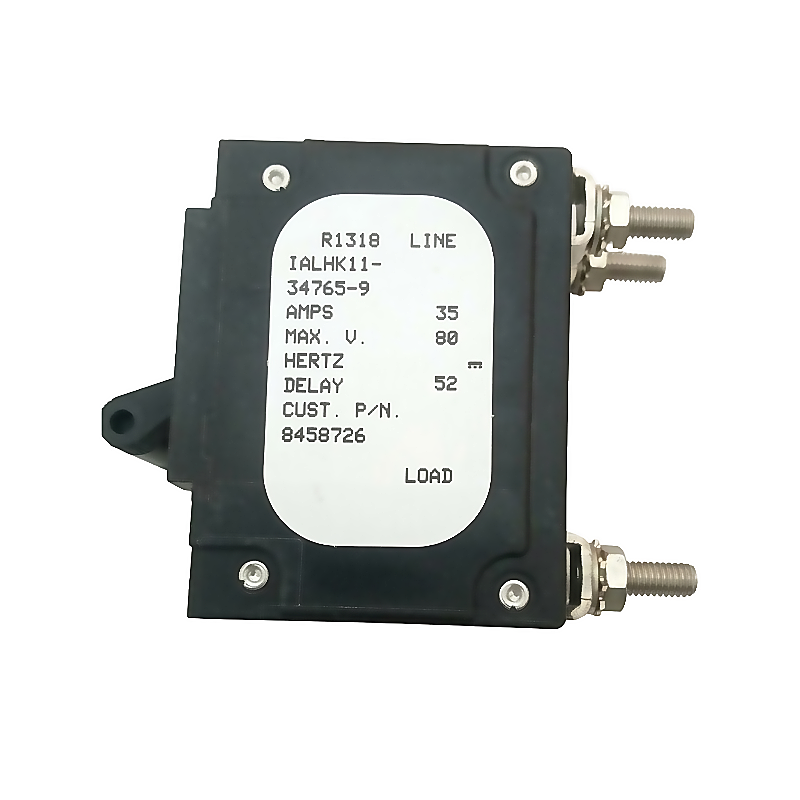
In commercial buildings—offices, retail spaces, restaurants, multi-tenant facilities—electrical safety isn't just about equipment reliability. It's about preventing fires, protecting occupants, and meeting building code requirements. The question of whether a thermal circuit breaker improves safety in these environments comes down to what it actually does when something goes wrong, and where its limits are.
Below, we break down how these devices contribute to safety in commercial power systems, where they're most effective, and what supplemental protection is needed for complete coverage.
The most significant safety contribution of a thermal circuit breaker is stopping overcurrent before wiring reaches ignition temperature. When current exceeds a conductor's rated capacity, heat builds up according to I²R losses—wire insulation degrades, nearby combustibles (insulation, framing, dust) can reach ignition temperature, and an electrical fire starts. The device's bimetallic element heats up in proportion to current, and trips when sustained overcurrent pushes past safe limits.
This time-delay characteristic is important in commercial settings. It allows temporary inrush currents—when HVAC compressors start, elevator motors kick in, or multiple devices power up at once—to pass through without nuisance tripping, while still interrupting sustained overloads that would overheat wiring. The result: protection against the slow-burn faults that cause most commercial electrical fires, without shutting down power every time a motor starts.
Electrical injuries and arc flash incidents happen when fault current flows for too long. A thermal circuit breaker reduces fault duration by automatically interrupting the circuit when overload conditions persist. In commercial settings where building occupants may not be electrical experts, this automatic response matters: no one needs to notice an anomaly, call maintenance, or manually shut off power—the device acts on its own.
The device also supports selective coordination. When properly sized alongside upstream and downstream breakers, the unit closest to a fault trips first, isolating the problem without taking power down to an entire floor or building. This minimizes the scope of an outage and reduces the chance that people are exposed to dangerous conditions during a wider shutdown.
A thermal circuit breaker alone doesn't cover every electrical hazard in a commercial building. Its limitations are well-known, and code requirements account for them:
• Short circuits: The bimetallic element needs time to heat up. For high-magnitude short-circuit currents, that delay is too long—enough time for catastrophic damage. This is why commercial panels use thermal-magnetic breakers: the thermal element handles overload, the magnetic element trips instantaneously for short circuits.
• Ground faults: A standard breaker doesn't detect current leaking to ground or through a person. For personnel protection, commercial kitchens, bathrooms, and outdoor outlets need GFCI (ground fault circuit interrupter) devices.
• Arc flash: While the device reduces fault duration, it doesn't eliminate arc flash risk on its own. Proper panel labeling, arc-rated PPE, and maintenance schedules address this separately.
This is why the question "does a thermal circuit breaker improve safety?" has a nuanced answer: it's a major contributor to fire and overload protection, but it's one layer in a coordinated safety system—not a standalone solution.
A breaker that's oversized won't trip when it should—leaving wiring unprotected. One that's undersized trips nuisance, disrupting operations and potentially leading people to bypass protection. Selecting the right device means matching the trip current to the conductor's ampacity, accounting for motor inrush, and coordinating with upstream protection.
Commercial electrical codes (NEC, IEC, local building codes) specify these requirements. A properly rated and installed thermal circuit breaker helps meet code compliance, which is itself a safety factor—inspectors verify that protection is in place, documented, and coordinated.
One safety advantage of the device's mechanical design is its predictable long-term performance. With no electronics to drift, no firmware to update, and no calibration to perform, the unit trips consistently year after year—assuming it's within its rated temperature range and not exposed to corrosive or extreme conditions.
Routine testing (annual manual trip checks, periodic infrared thermography to detect hot spots at connections) confirms the device is still operating as intended. In typical commercial environments, these units function reliably for decades, which means the safety protection stays in place without ongoing replacement cycles.
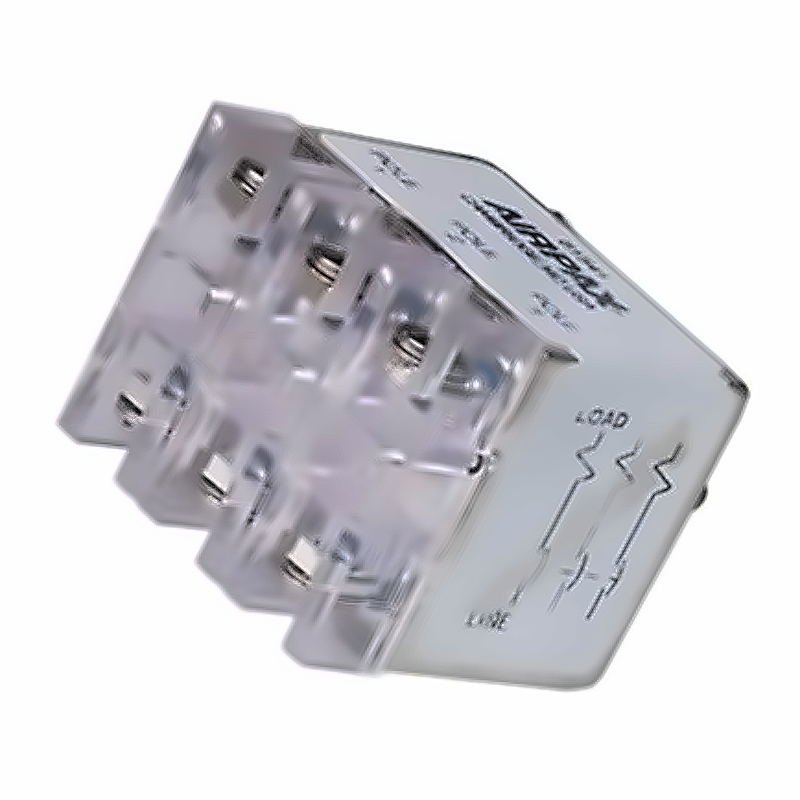
The safety benefits described above depend on the device actually performing to its rated trip curve. Counterfeit or reclaimed breakers may use inferior bimetallic elements that drift in calibration, or fake magnetic trip mechanisms that don't respond as rated. In commercial buildings where safety codes and occupant protection are on the line, a breaker that trips at the wrong current—or fails to trip at all—creates real liability.
When sourcing circuit protection components for commercial power systems, work with distributors that provide full traceability, incoming inspection, and clear classification of factory-sealed vs. surplus inventory. Verified supply chain partners help ensure every unit meets original manufacturer specifications—so the safety protection designed into the panel actually holds up in service.
Not on its own. The thermal element responds to sustained overcurrent over seconds to minutes; short circuits happen in milliseconds. That's why commercial panels almost universally use thermal-magnetic breakers: the thermal side handles overload protection, and the magnetic side trips instantly for high-magnitude faults. Combined, they cover both safety hazards.
Under normal commercial conditions, these units reliably operate for decades. Actual service life depends on ambient temperature, humidity, dust exposure, and how often the device switches load. Annual manual trip testing and periodic infrared inspection help confirm the unit is still functioning correctly. When end-of-life approaches, replacement is straightforward and relatively low-cost.
Yes. In commercial power systems, breakers must be coordinated so the device closest to a fault trips first, while upstream breakers stay closed. This selective tripping limits the scope of an outage. Proper coordination requires analyzing fault currents and device trip curves—something electrical engineers do during system design, and verify during commissioning.
The electronic components market is constantly evolving. From global supply chain updates to the latest semiconductor technology trends, our blog provides the professional perspective you need to stay informed and competitive.
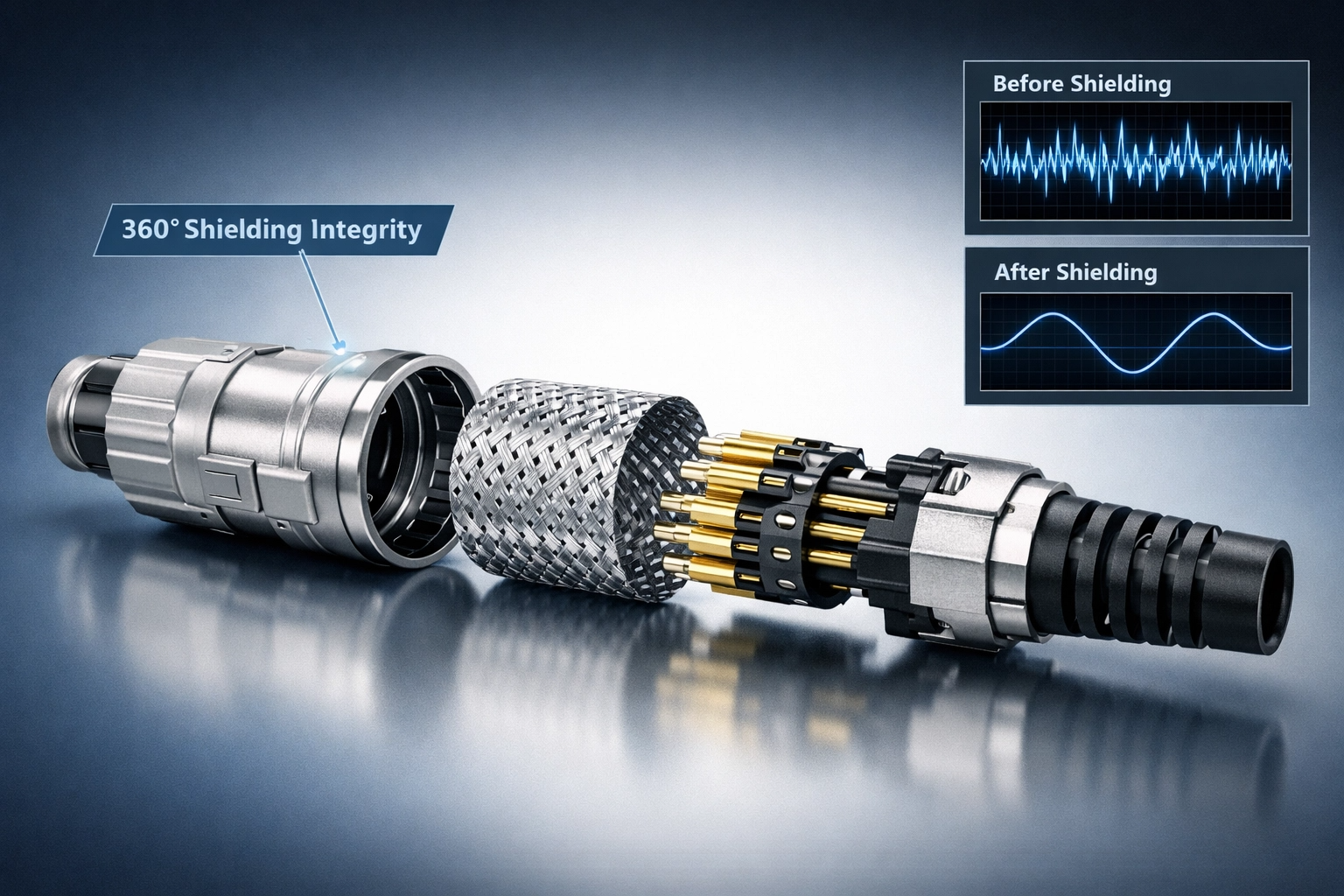
Overcoming EMI in High-Speed Automation
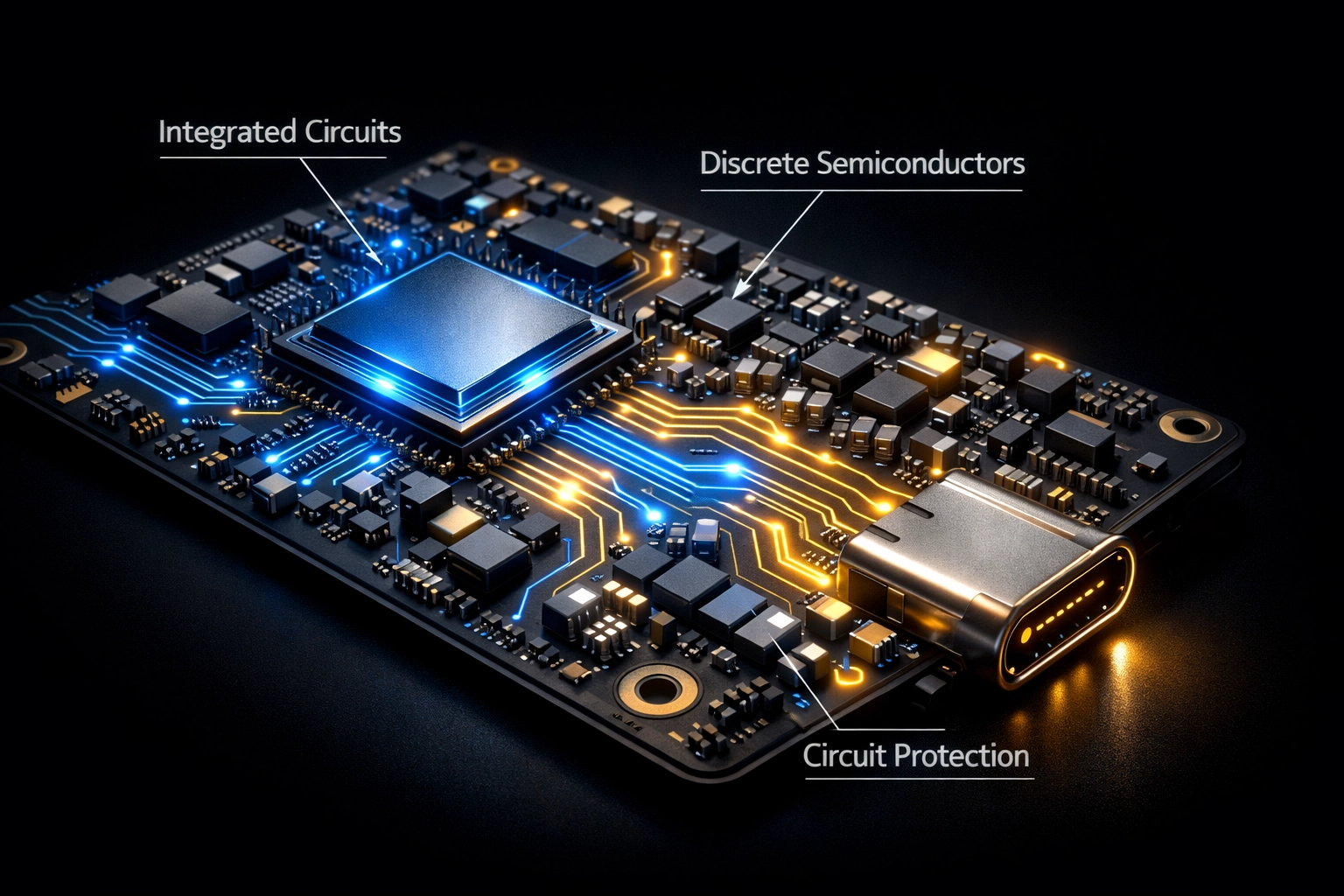
A Comprehensive Layout and Component Selection Guide
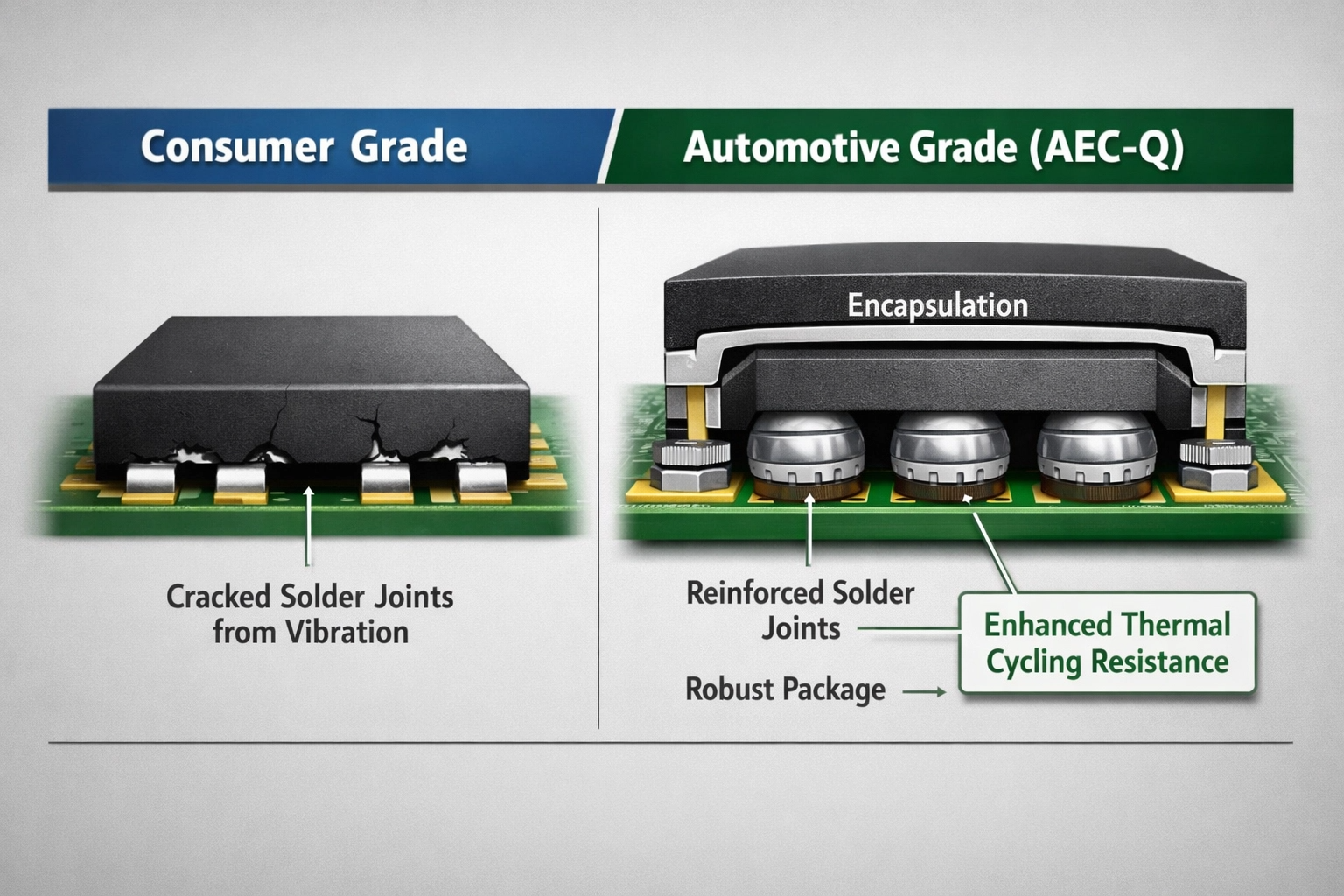
A Deep Dive into AEC-Q Standards and IATF 16949 Compliance






"Finding reliable high-voltage contactors for our EV platform was a major bottleneck until we partnered with this team. Their stock of 800V components is impressive and, more importantly, fully traceable. The packaging was professional, ensuring no static damage during transit. Truly a lifesaver for our production line."
"We were desperately searching for specific power management chips that were on a long backorder elsewhere. They managed to ship original factory parts within 48 hours, which kept our automation project on schedule. Communication was transparent and the technical data sheets provided were accurate. Highly recommend for urgent sourcing needs."
"The quality of the magnetic hydraulic circuit breakers we received exceeded our expectations for the price point. It’s clear they have a rigorous quality inspection process in place before shipping. We've integrated their parts into our latest battery storage units with zero failure rates so far. A very dependable partner for long-term supply."
"In this industry, trust is everything, especially when dealing with high-voltage fuses and relays. This company consistently provides genuine products that meet our strict safety certifications for the EU market. Their team is knowledgeable and helped us navigate the technical nuances of the components. Their export logistics to Spain are seamless."
"Managing End-of-Life (EOL) components is a constant struggle, but their database for legacy ICs is a goldmine. I was able to secure a batch of LCD driver ICs that our previous suppliers claimed were impossible to find. Every chip was tested and worked perfectly in our HMI repair prototypes. They are now my go-to for hard-to-find semiconductors."
"I appreciate how they handle smaller, specialized orders with the same urgency as bulk shipments. We needed specific pressure sensors for a fleet of diesel engines, and they arrived in the UK perfectly labeled and documented. Their attention to detail on the commercial invoice made customs clearance a breeze. Great service and even better product quality."
